Skip to content
GenoLensGenoLens

SEC63

Chr 6q21

SEC63 protein translocation regulator

Aliases:
SEC63L, PRO2507, ERdj2, DNAJC23
MANE:
ENST00000369002.9

Annotations refreshed 9 hours ago.

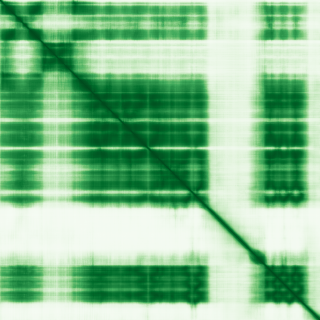
Predicted protein structure

Clinical relevance (Genomics England PanelApp)

Diagnostic Grade (Green)

  • Cystic kidney disease

    MONOALLELIC, autosomal or pseudoautosomal, NOT imprinted
  • Ductal plate malformation

    MONOALLELIC, autosomal or pseudoautosomal, imprinted status unknown
  • Polycystic liver disease

    MONOALLELIC, autosomal or pseudoautosomal, imprinted status unknown
  • Rare multisystem ciliopathy disorders

    MONOALLELIC, autosomal or pseudoautosomal, imprinted status unknown
  • Renal ciliopathies

    MONOALLELIC, autosomal or pseudoautosomal, imprinted status unknown
  • Unexplained kidney failure in young people

    BIALLELIC, autosomal or pseudoautosomal

Disease associations (Open Targets)

  • Isolated polycystic liver disease

    0.79
  • autosomal dominant polycystic liver disease

    0.55
  • neurodegenerative disease

    0.53
  • polycystic liver disease 1

    0.43
  • Biliary tract abnormality

    0.35
  • placental abruption

    0.26
  • muscle cramp

    0.24
  • abscess

    0.23
  • cellulitis

    0.23
  • connective tissue disorder

    0.22

Score is the Open Targets composite evidence score (0-1). Higher = stronger gene-disease association.

Protein function (UniProt)

Translocation protein SEC63 homolog

Mediates cotranslational and post-translational transport of certain precursor polypeptides across endoplasmic reticulum (ER) (PubMed:22375059, PubMed:29719251). Proposed to play an auxiliary role in recognition of precursors with short and apolar signal peptides. May cooperate with SEC62 and HSPA5/BiP to facilitate targeting of small presecretory proteins into the SEC61 channel-forming translocon complex, triggering channel opening for polypeptide translocation to the ER lumen (PubMed:29719251). Required for efficient PKD1/Polycystin-1 biogenesis and trafficking to the plasma membrane of the primary cilia (By similarity)

Data sources: HGNC (CC BY 4.0), AlphaFold (CC BY 4.0, Jumper et al. Nature 2021), Genomics England PanelApp (CC BY 4.0), ClinGen, Open Targets (CC0), UniProt.

Not for sole clinical decision-making. Always verify against primary sources.