AlphaFold predicted structure
SEPHS1 · P49903
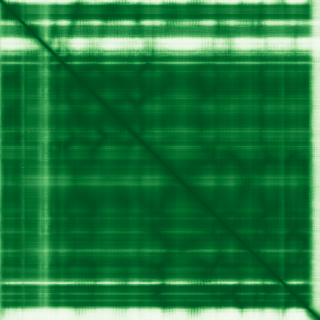
Mean pLDDT
89.6/ 100
Confident
392 residues
Confidence breakdown
- Very high(≥ 90)79%
- Confident(70–90)11%
- Low(50–70)6%
- Very low(< 50)5%
AlphaFold (Jumper et al., 2021) · CC BY 4.0
selenophosphate synthetase 1
Annotations refreshed 9 hours ago.
Diagnostic Grade (Green)
DDG2P
MONOALLELIC, autosomal or pseudoautosomal, imprinted status unknownIntellectual disability
MONOALLELIC, autosomal or pseudoautosomal, imprinted status unknownFetal anomalies
MONOALLELIC, autosomal or pseudoautosomal, NOT imprintedneurodegenerative disease
neurodevelopmental disorder
Abnormality of the gastrointestinal tract
renal osteodystrophy
drug allergy
diabetic ketoacidosis
male infertility
neoplasm
cancer
hepatocellular carcinoma
Score is the Open Targets composite evidence score (0-1). Higher = stronger gene-disease association.
Zincore component SEPHS1
Core component of the zincore complex, a heterotetramer that acts as a molecular 'grip' to stabilize transcription factors at DNA-binding sites across the genome, thereby controlling gene expression (PubMed:40608935). The zincore complex binds specifically to zinc finger transcription factors, such as ZFP91, ZNF652, ZNF526 and PRDM15, and stabilizes them onto their cognate DNA motif (PubMed:40608935). Within the complex, SEPHS1, recognizes and binds the backbone of zinc fingers of transcription factors in a sequence-independent manner via its arginine clamp, enhancing their DNA-binding stability (PubMed:40608935). Plays an essential role in redox homeostasis (PubMed:31607477). May also be involved in selenocysteine biosynthesis by catalyzing formation of selenophosphate from selenide and ATP (PubMed:7665581). Its role in selenocysteine biosynthesis is however unclear and several studies suggest that it does not act as a selenophosphate synthase in vivo or plays an non-essential role (PubMed:15534230). Required for cardiac differentiation (By similarity)
SEPHS1 · P49903

Mean pLDDT
89.6/ 100
Confident
392 residues
Confidence breakdown
AlphaFold (Jumper et al., 2021) · CC BY 4.0