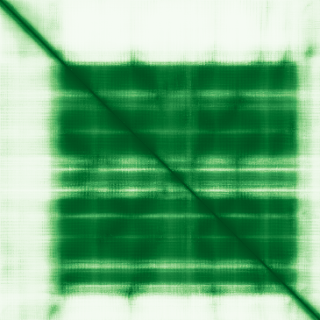
Sphingomyelin synthase that primarily contributes to sphingomyelin synthesis and homeostasis at the plasma membrane. Catalyzes the reversible transfer of phosphocholine moiety in sphingomyelin biosynthesis: in the forward reaction transfers phosphocholine head group of phosphatidylcholine (PC) on to ceramide (CER) to form ceramide phosphocholine (sphingomyelin, SM) and diacylglycerol (DAG) as by-product, and in the reverse reaction transfers phosphocholine from SM to DAG to form PC and CER (PubMed:14685263, PubMed:17449912, PubMed:17982138, PubMed:18370930, PubMed:38388831). The direction of the reaction appears to depend on the levels of CER and DAG in the plasma membrane (PubMed:14685263, PubMed:17449912, PubMed:17982138, PubMed:18370930). Does not use free phosphorylcholine or CDP-choline as donors (PubMed:14685263). Can also transfer phosphoethanolamine head group of phosphatidylethanolamine (PE) on to ceramide (CER) to form ceramide phosphoethanolamine (CPE) (PubMed:19454763). Regulates receptor-mediated signal transduction via mitogenic DAG and proapoptotic CER, as well as via SM, a structural component of membrane rafts that serve as platforms for signal transduction and protein sorting (PubMed:17449912, PubMed:17982138). To a lesser extent, plays a role in secretory transport via regulation of DAG pool at the Golgi apparatus and its downstream effects on PRKD1 (PubMed:18370930, PubMed:21980337). Required for normal bone matrix mineralization (PubMed:30779713)