
AlphaFold predicted structure
SH3PXD2B · A1X283
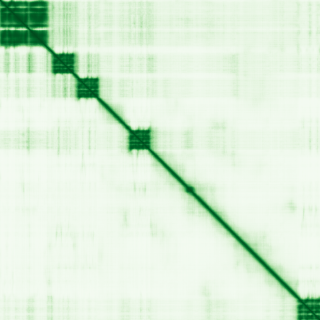
Mean pLDDT
55.9/ 100
Low
911 residues
Confidence breakdown
- Very high(≥ 90)8%
- Confident(70–90)27%
- Low(50–70)7%
- Very low(< 50)58%
Open interactive 3D viewer
AlphaFold (Jumper et al., 2021) · CC BY 4.0
SH3 and PX domains 2B
Annotations refreshed 2 months ago.
Diagnostic Grade (Green)
DDG2P
BIALLELIC, autosomal or pseudoautosomalFetal anomalies
BIALLELIC, autosomal or pseudoautosomalGlaucoma (developmental)
BIALLELIC, autosomal or pseudoautosomalRare genetic inflammatory skin disorders
BIALLELIC, autosomal or pseudoautosomalSkeletal dysplasia
BIALLELIC, autosomal or pseudoautosomalStructural eye disease
BIALLELIC, autosomal or pseudoautosomalIntellectual disability
BIALLELIC, autosomal or pseudoautosomalRare syndromic craniosynostosis or isolated multisuture synostosis
BIALLELIC, autosomal or pseudoautosomal+1 more panels — install the extension to see the full list inline on any page.
Frank-Ter Haar syndrome
Dermato-cardio-skeletal syndrome, Borrone type
Abnormality of the skeletal system
androgenetic alopecia
hereditary disease
alcohol drinking
Hypocalcemia
poisoning
response to xenobiotic stimulus
skin disorder
Score is the Open Targets composite evidence score (0-1). Higher = stronger gene-disease association.
SH3 and PX domain-containing protein 2B
Adapter protein involved in invadopodia and podosome formation and extracellular matrix degradation. Binds matrix metalloproteinases (ADAMs), NADPH oxidases (NOXs) and phosphoinositides. Acts as an organizer protein that allows NOX1- or NOX3-dependent reactive oxygen species (ROS) generation and ROS localization. Plays a role in mitotic clonal expansion during the immediate early stage of adipocyte differentiation (By similarity)
Curated MONDO disease pages that list SH3PXD2B among their top associated genes.
SH3PXD2B · A1X283
Mean pLDDT
55.9/ 100
Low
911 residues
Confidence breakdown
AlphaFold (Jumper et al., 2021) · CC BY 4.0