AlphaFold predicted structure
SHROOM3 · Q8TF72
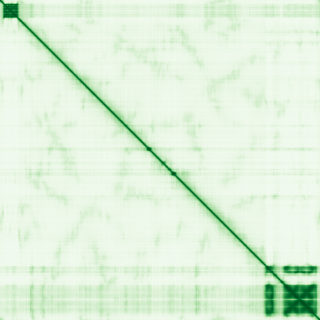
Mean pLDDT
43.9/ 100
Very low
1,996 residues
Confidence breakdown
- Very high(≥ 90)10%
- Confident(70–90)8%
- Low(50–70)5%
- Very low(< 50)77%
AlphaFold (Jumper et al., 2021) · CC BY 4.0
shroom family member 3
Annotations refreshed 9 hours ago.
Diagnostic Grade (Green)
DDG2P
MONOALLELIC, autosomal or pseudoautosomal, imprinted status unknownFamilial non syndromic congenital heart disease
UnknownFetal anomalies
MONOALLELIC, autosomal or pseudoautosomal, imprinted status unknownFamilial Neural Tube Defects
neural tube defect
isolated spina bifida
atrial fibrillation
coronary artery disorder
hypertensive disorder
chronic kidney disease
cholelithiasis
metabolic disease
type 2 diabetes mellitus
Increased blood pressure
Score is the Open Targets composite evidence score (0-1). Higher = stronger gene-disease association.
Protein Shroom3
Controls cell shape changes in the neuroepithelium during neural tube closure. Induces apical constriction in epithelial cells by promoting the apical accumulation of F-actin and myosin II, and probably by bundling stress fibers (By similarity). Induces apicobasal cell elongation by redistributing gamma-tubulin and directing the assembly of robust apicobasal microtubule arrays (By similarity)
SHROOM3 · Q8TF72

Mean pLDDT
43.9/ 100
Very low
1,996 residues
Confidence breakdown
AlphaFold (Jumper et al., 2021) · CC BY 4.0