Skip to content
GenoLensGenoLens

SLC13A3

Chr 20q13.12

solute carrier family 13 member 3

Aliases:
NADC3, SDCT2
MANE:
ENST00000279027.9

Annotations refreshed 10 hours ago.

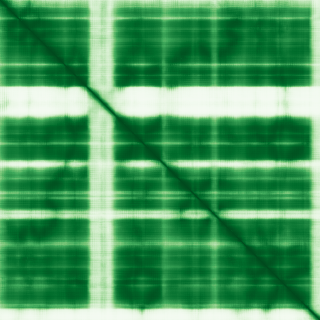
Predicted protein structure

Clinical relevance (Genomics England PanelApp)

Diagnostic Grade (Green)

  • Early onset or syndromic epilepsy

    BIALLELIC, autosomal or pseudoautosomal
  • Likely inborn error of metabolism

    BIALLELIC, autosomal or pseudoautosomal
  • Mitochondrial disorders

    BIALLELIC, autosomal or pseudoautosomal
  • White matter disorders and cerebral calcification - narrow panel

    BIALLELIC, autosomal or pseudoautosomal
  • Hereditary neuropathy or pain disorder

    BIALLELIC, autosomal or pseudoautosomal

Disease associations (Open Targets)

  • leukoencephalopathy, acute reversible, with increased urinary alpha-ketoglutarate

    0.72
  • neurodegenerative disease

    0.42
  • autoimmune disorder of central nervous system

    0.36
  • intelligence

    0.27
  • diabetic ketoacidosis

    0.25
  • brain disorder

    0.23
  • placental abruption

    0.23
  • Parkinson disease

    0.21
  • Alzheimer disease

    0.21
  • brain compression

    0.21

Score is the Open Targets composite evidence score (0-1). Higher = stronger gene-disease association.

Protein function (UniProt)

Na(+)/dicarboxylate cotransporter 3

High-affinity sodium-dicarboxylate cotransporter that accepts a range of substrates with 4-6 carbon atoms, such as the citric acid cycle intermediates succinate and alpha-ketoglutarate (2-oxoglutarate), as well as other compounds including N-acetyl-L-aspartate (PubMed:10794676, PubMed:10992006, PubMed:15561973, PubMed:17356845, PubMed:17426067, PubMed:24247155, PubMed:30635937, PubMed:39622972). Transports the dicarboxylate into the cell with a probable stoichiometry of 3 Na(+) for 1 divalent dicarboxylate, rendering the process electrogenic (PubMed:10794676, PubMed:10992006). Can transport citrate in a Na(+)-dependent manner, recognizing the divalent form of citrate rather than the trivalent form which is normally found in blood (PubMed:10794676). Imports itaconate in hepatocytes leading to activation of TFEB-dependent lysosomal biogenesis involved in antibacterial innate immune response (PubMed:39116875)

Data sources: HGNC (CC BY 4.0), AlphaFold (CC BY 4.0, Jumper et al. Nature 2021), Genomics England PanelApp (CC BY 4.0), ClinGen, Open Targets (CC0), UniProt.

Not for sole clinical decision-making. Always verify against primary sources.