AlphaFold predicted structure
SLC16A1 · P53985
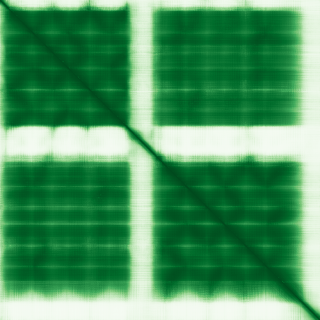
Mean pLDDT
83.1/ 100
Confident
500 residues
Confidence breakdown
- Very high(≥ 90)68%
- Confident(70–90)12%
- Low(50–70)3%
- Very low(< 50)16%
AlphaFold (Jumper et al., 2021) · CC BY 4.0
solute carrier family 16 member 1
Annotations refreshed 9 hours ago.
Diagnostic Grade (Green)
Congenital hyperinsulinism
MONOALLELIC, autosomal or pseudoautosomal, imprinted status unknownKetotic hypoglycaemia
BOTH monoallelic and biallelic, autosomal or pseudoautosomalLikely inborn error of metabolism
BOTH monoallelic and biallelic, autosomal or pseudoautosomalUndiagnosed metabolic disorders
BOTH monoallelic and biallelic, autosomal or pseudoautosomalChildhood onset dystonia, chorea or related movement disorder
exercise-induced hyperinsulinism
metabolic myopathy due to lactate transporter defect
ketoacidosis due to monocarboxylate transporter-1 deficiency
neurodegenerative disease
inborn errors of metabolism
Abnormality of refraction
primary angle-closure glaucoma
hereditary disease
refractive error
neoplasm
Score is the Open Targets composite evidence score (0-1). Higher = stronger gene-disease association.
Monocarboxylate transporter 1
Bidirectional proton-coupled monocarboxylate transporter (PubMed:12946269, PubMed:32946811, PubMed:33333023). Catalyzes the rapid transport across the plasma membrane of many monocarboxylates such as lactate, pyruvate, acetate and the ketone bodies acetoacetate and beta-hydroxybutyrate, and thus contributes to the maintenance of intracellular pH (PubMed:12946269, PubMed:33333023). The transport direction is determined by the proton motive force and the concentration gradient of the substrate monocarboxylate. MCT1 is a major lactate exporter (By similarity). Plays a role in cellular responses to a high-fat diet by modulating the cellular levels of lactate and pyruvate that contribute to the regulation of central metabolic pathways and insulin secretion, with concomitant effects on plasma insulin levels and blood glucose homeostasis (By similarity). Facilitates the protonated monocarboxylate form of succinate export, that its transient protonation upon muscle cell acidification in exercising muscle and ischemic heart (PubMed:32946811). Functions via alternate outward- and inward-open conformation states. Protonation and deprotonation of 309-Asp is essential for the conformational transition (PubMed:33333023)
SLC16A1 · P53985

Mean pLDDT
83.1/ 100
Confident
500 residues
Confidence breakdown
AlphaFold (Jumper et al., 2021) · CC BY 4.0