Skip to content
GenoLensGenoLens

SLC1A2

Chr 11p13

solute carrier family 1 member 2

Aliases:
GLT-1, GLT1, EAAT2, HBGT
MANE:
ENST00000278379.9

Annotations refreshed 1 month ago.

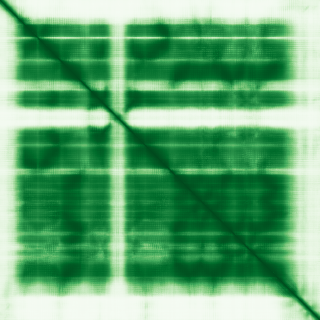
Predicted protein structure

Clinical relevance (Genomics England PanelApp)

Diagnostic Grade (Green)

  • DDG2P

    MONOALLELIC, autosomal or pseudoautosomal, imprinted status unknown
  • Early onset or syndromic epilepsy

    BOTH monoallelic and biallelic, autosomal or pseudoautosomal
  • Intellectual disability

    MONOALLELIC, autosomal or pseudoautosomal, imprinted status unknown
  • Fetal anomalies

    MONOALLELIC, autosomal or pseudoautosomal, imprinted status unknown

Disease associations (Open Targets)

  • developmental and epileptic encephalopathy, 41

    0.76
  • Epileptic encephalopathy

    0.51
  • type 2 diabetes mellitus

    0.49
  • hypothyroidism

    0.46
  • neurodegenerative disease

    0.45
  • thyroid gland disorder

    0.42
  • undetermined early-onset epileptic encephalopathy

    0.38
  • myxedema

    0.36
  • vitiligo

    0.34
  • stroke disorder

    0.32

Score is the Open Targets composite evidence score (0-1). Higher = stronger gene-disease association.

Protein function (UniProt)

Excitatory amino acid transporter 2

Sodium-dependent, high-affinity amino acid transporter that mediates the uptake of L-glutamate and also L-aspartate and D-aspartate (PubMed:14506254, PubMed:15265858, PubMed:26690923, PubMed:7521911). Functions as a symporter that transports one amino acid molecule together with two or three Na(+) ions and one proton, in parallel with the counter-transport of one K(+) ion (PubMed:14506254). Mediates Cl(-) flux that is not coupled to amino acid transport; this avoids the accumulation of negative charges due to aspartate and Na(+) symport (PubMed:14506254). Essential for the rapid removal of released glutamate from the synaptic cleft, and for terminating the postsynaptic action of glutamate (By similarity)

Data sources: HGNC (CC BY 4.0), AlphaFold (CC BY 4.0, Jumper et al. Nature 2021), Genomics England PanelApp (CC BY 4.0), ClinGen, Open Targets (CC0), UniProt.

Not for sole clinical decision-making. Always verify against primary sources.