Skip to content
GenoLensGenoLens

SLC25A15

Chr 13q14.11

solute carrier family 25 member 15

Aliases:
ORC1, lnc-HC, D13S327
MANE:
ENST00000338625.9

Annotations refreshed 10 hours ago.

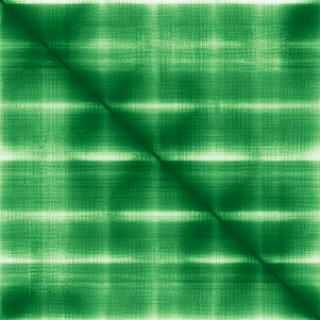
Predicted protein structure

Clinical relevance (Genomics England PanelApp)

Diagnostic Grade (Green)

  • Adult onset hereditary spastic paraplegia

    BIALLELIC, autosomal or pseudoautosomal
  • Childhood onset hereditary spastic paraplegia

    BIALLELIC, autosomal or pseudoautosomal
  • DDG2P

    BIALLELIC, autosomal or pseudoautosomal
  • Hyperammonaemia

    BIALLELIC, autosomal or pseudoautosomal
  • Intellectual disability

    BIALLELIC, autosomal or pseudoautosomal
  • Likely inborn error of metabolism

    BIALLELIC, autosomal or pseudoautosomal
  • Undiagnosed metabolic disorders

    BIALLELIC, autosomal or pseudoautosomal
  • Childhood onset dystonia, chorea or related movement disorder

+1 more panels — install the extension to see the full list inline on any page.

Disease associations (Open Targets)

  • ornithine translocase deficiency

    0.85
  • Hyperornithinemia-hyperammonemia-homocitrullinuria

    0.84
  • hereditary disease

    0.45
  • inflammatory bowel disease

    0.37
  • autoimmune disorder of central nervous system

    0.35
  • hereditary breast ovarian cancer syndrome

    0.34
  • Hereditary breast and ovarian cancer syndrome

    0.34
  • cardiac arrhythmia

    0.34
  • Hashimoto thyroiditis

    0.27
  • neurodegenerative disease

    0.23

Score is the Open Targets composite evidence score (0-1). Higher = stronger gene-disease association.

Protein function (UniProt)

Mitochondrial ornithine transporter 1

Mitochondrial ornithine-citrulline antiporter (Probable) (PubMed:12807890, PubMed:22262851). Catalyzes the exchange between cytosolic ornithine and mitochondrial citrulline plus an H(+), the proton compensates the positive charge of ornithine thus leading to an electroneutral transport. Plays a crucial role in the urea cycle, by connecting the cytosolic and the intramitochondrial reactions of the urea cycle (Probable) (PubMed:12807890, PubMed:22262851). Lysine and arginine are also transported by the antiport mechanism (Probable) (PubMed:12807890). In addition, catalyzes an electroneutral exchange of ornithine or lysine for H(+), a reaction driven by the pH gradient across the inner membrane (By similarity)

Data sources: HGNC (CC BY 4.0), AlphaFold (CC BY 4.0, Jumper et al. Nature 2021), Genomics England PanelApp (CC BY 4.0), ClinGen, Open Targets (CC0), UniProt.

Not for sole clinical decision-making. Always verify against primary sources.