Skip to content
GenoLensGenoLens

SLC25A3

Chr 12q23.1

solute carrier family 25 member 3

Aliases:
PiC, PTP
MANE:
ENST00000552981.6

Annotations refreshed 9 hours ago.

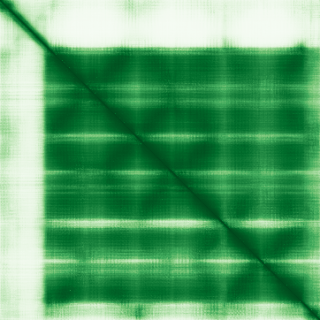
Predicted protein structure

Clinical relevance (Genomics England PanelApp)

Diagnostic Grade (Green)

  • Likely inborn error of metabolism

    BIALLELIC, autosomal or pseudoautosomal
  • Mitochondrial disorders

    BIALLELIC, autosomal or pseudoautosomal
  • Possible mitochondrial disorder - nuclear genes

    BIALLELIC, autosomal or pseudoautosomal
  • Undiagnosed metabolic disorders

    BIALLELIC, autosomal or pseudoautosomal
  • Childhood onset dystonia, chorea or related movement disorder

  • Hypertrophic cardiomyopathy

    Unknown

Disease associations (Open Targets)

  • cardiomyopathy-hypotonia-lactic acidosis syndrome

    0.70
  • Cardiomyopathy - hypotonia - lactic acidosis

    0.68
  • neurodegenerative disease

    0.54
  • mitochondrial disease

    0.18
  • inborn mitochondrial metabolism disorder

    0.18
  • hepatocellular carcinoma

    0.09
  • benign urinary system neoplasm

    0.07
  • placenta praevia

    0.07
  • cervical carcinoma

    0.06
  • infection

    0.05

Score is the Open Targets composite evidence score (0-1). Higher = stronger gene-disease association.

Protein function (UniProt)

Solute carrier family 25 member 3

Inorganic ion transporter that transports phosphate or copper ions across the mitochondrial inner membrane into the matrix compartment (By similarity) (PubMed:17273968, PubMed:29237729). Mediates proton-coupled symport of phosphate ions necessary for mitochondrial oxidative phosphorylation of ADP to ATP (By similarity) (PubMed:17273968). Transports copper ions probably in the form of anionic copper(I) complexes to maintain mitochondrial matrix copper pool and to supply copper for cytochrome C oxidase complex assembly (PubMed:29237729). May also play a role in regulation of the mitochondrial permeability transition pore (mPTP) (By similarity)

Data sources: HGNC (CC BY 4.0), AlphaFold (CC BY 4.0, Jumper et al. Nature 2021), Genomics England PanelApp (CC BY 4.0), ClinGen, Open Targets (CC0), UniProt.

Not for sole clinical decision-making. Always verify against primary sources.