Skip to content
GenoLensGenoLens

SLC2A1

Chr 1p34.2

solute carrier family 2 member 1

Aliases:
DYT18, DYT9, GLUT-1
MANE:
ENST00000426263.10

Annotations refreshed 1 month ago.

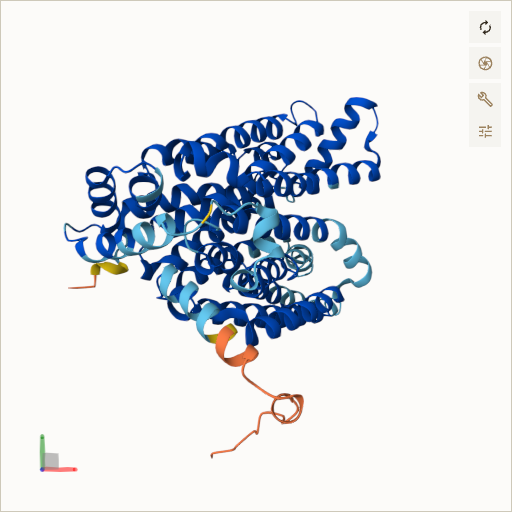
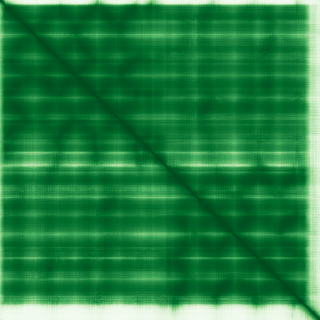
Predicted protein structure

Clinical relevance (Genomics England PanelApp)

Diagnostic Grade (Green)

  • Adult onset dystonia, chorea or related movement disorder

    BOTH monoallelic and biallelic (but BIALLELIC mutations cause a more SEVERE disease form), autosomal or pseudoautosomal
  • Ataxia and cerebellar anomalies - narrow panel

    BOTH monoallelic and biallelic, autosomal or pseudoautosomal
  • Bilateral congenital or childhood onset cataracts

    MONOALLELIC, autosomal or pseudoautosomal, NOT imprinted
  • Brain channelopathy

    BOTH monoallelic and biallelic (but BIALLELIC mutations cause a more SEVERE disease form), autosomal or pseudoautosomal
  • Childhood onset dystonia, chorea or related movement disorder

    BOTH monoallelic and biallelic, autosomal or pseudoautosomal
  • Childhood onset hereditary spastic paraplegia

    MONOALLELIC, autosomal or pseudoautosomal, imprinted status unknown
  • Cytopenias and congenital anaemias

    MONOALLELIC, autosomal or pseudoautosomal, imprinted status unknown
  • DDG2P

    MONOALLELIC, autosomal or pseudoautosomal, imprinted status unknown

+16 more panels — install the extension to see the full list inline on any page.

Disease associations (Open Targets)

  • encephalopathy due to GLUT1 deficiency

    0.85
  • Paroxysmal exertion-induced dyskinesia

    0.80
  • dystonia 9

    0.79
  • hereditary cryohydrocytosis with reduced stomatin

    0.78
  • idiopathic generalized epilepsy

    0.76
  • childhood onset GLUT1 deficiency syndrome 2

    0.73
  • Paroxysmal dystonic choreathetosis with episodic ataxia and spasticity

    0.66
  • Seizure

    0.64
  • Intellectual disability

    0.63
  • GLUT1 deficiency syndrome

    0.60

Score is the Open Targets composite evidence score (0-1). Higher = stronger gene-disease association.

Protein function (UniProt)

Solute carrier family 2, facilitated glucose transporter member 1

Facilitative glucose transporter, which is responsible for constitutive or basal glucose uptake (PubMed:10227690, PubMed:10954735, PubMed:18245775, PubMed:19449892, PubMed:25982116, PubMed:27078104, PubMed:32860739). Has a very broad substrate specificity; can transport a wide range of aldoses including both pentoses and hexoses (PubMed:18245775, PubMed:19449892). Most important energy carrier of the brain: present at the blood-brain barrier and assures the energy-independent, facilitative transport of glucose into the brain (PubMed:10227690). In association with BSG and NXNL1, promotes retinal cone survival by increasing glucose uptake into photoreceptors (By similarity). Required for mesendoderm differentiation (By similarity)

Data sources: HGNC (CC BY 4.0), AlphaFold (CC BY 4.0, Jumper et al. Nature 2021), Genomics England PanelApp (CC BY 4.0), ClinGen, Open Targets (CC0), UniProt.

Not for sole clinical decision-making. Always verify against primary sources.