Skip to content
GenoLensGenoLens

SLC39A4

Chr 8q24.3

solute carrier family 39 member 4

Aliases:
ZIP4, ZIP-4, AWMS2
MANE:
ENST00000301305.8

Annotations refreshed 10 hours ago.

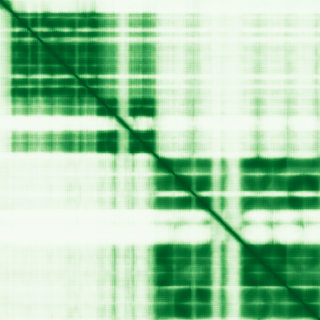
Predicted protein structure

Clinical relevance (Genomics England PanelApp)

Diagnostic Grade (Green)

  • Epidermolysis bullosa and congenital skin fragility

    BIALLELIC, autosomal or pseudoautosomal
  • Intestinal failure or congenital diarrhoea

    BIALLELIC, autosomal or pseudoautosomal
  • Likely inborn error of metabolism

    BIALLELIC, autosomal or pseudoautosomal
  • Primary immunodeficiency or monogenic inflammatory bowel disease

    BIALLELIC, autosomal or pseudoautosomal
  • Rare genetic inflammatory skin disorders

    BIALLELIC, autosomal or pseudoautosomal
  • Undiagnosed metabolic disorders

    BIALLELIC, autosomal or pseudoautosomal
  • Childhood onset dystonia, chorea or related movement disorder

  • Generalised pustular psoriasis

    BIALLELIC, autosomal or pseudoautosomal

Disease associations (Open Targets)

  • acrodermatitis enteropathica

    0.84
  • hereditary disease

    0.47
  • disorder of zinc metabolism

    0.37
  • spondylolisthesis

    0.19
  • ventricular septal defect

    0.15
  • neoplasm

    0.10
  • pancreatic neoplasm

    0.09
  • familial pancreatic carcinoma

    0.09
  • MODY

    0.08
  • alcohol drinking

    0.08

Score is the Open Targets composite evidence score (0-1). Higher = stronger gene-disease association.

Protein function (UniProt)

Zinc transporter ZIP4

Selective transporter that mediates the uptake of Zn(2+) (PubMed:17202136, PubMed:22242765, PubMed:27321477, PubMed:28875161, PubMed:31164399, PubMed:31914589, PubMed:31979155, PubMed:33837739, PubMed:36473915). Plays an essential role for dietary zinc uptake from small intestine (By similarity). The Zn(2+) uniporter activity is regulated by zinc availability (PubMed:17202136, PubMed:32348750). Also exhibits polyspecific binding and transport of Cu(2+), Cd(2+) and possibly Ni(2+) but at higher concentrations (PubMed:22242765, PubMed:31914589)

Data sources: HGNC (CC BY 4.0), AlphaFold (CC BY 4.0, Jumper et al. Nature 2021), Genomics England PanelApp (CC BY 4.0), ClinGen, Open Targets (CC0), UniProt.

Not for sole clinical decision-making. Always verify against primary sources.