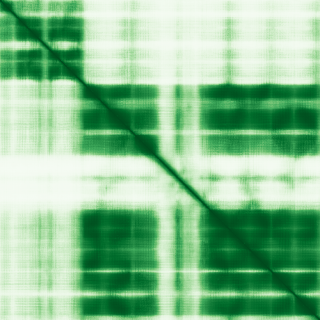
+2 more panels — install the extension to see the full list inline on any page.
Disease associations (Open Targets)
SLC39A8-CDG
0.80
congenital disorder of glycosylation type II
0.63
osteoarthritis
0.56
hypertensive disorder
0.55
schizophrenia
0.54
Abnormality of the skeletal system
0.54
intelligence
0.54
gastroesophageal reflux disease
0.51
obesity disorder
0.51
asthma
0.50
Score is the Open Targets composite evidence score (0-1). Higher = stronger gene-disease association.
Protein function (UniProt)
Metal cation symporter ZIP8
Electroneutral divalent metal cation:bicarbonate symporter of the plasma membrane mediating the cellular uptake of zinc and manganese, two divalent metal cations important for development, tissue homeostasis and immunity (PubMed:12504855, PubMed:22898811, PubMed:23403290, PubMed:26637978, PubMed:29337306, PubMed:29453449). Transports an electroneutral complex composed of a divalent metal cation and two bicarbonate anions or alternatively a bicarbonate and a selenite anion (PubMed:27166256, PubMed:31699897). Thereby, it also contributes to the cellular uptake of selenium, an essential trace metal and micronutrient (PubMed:27166256). Also imports cadmium a non-essential metal which is cytotoxic and carcinogenic (PubMed:27466201). May also transport iron and cobalt through membranes (PubMed:22898811). Through zinc import, indirectly regulates the metal-dependent transcription factor MTF1 and the expression of some metalloproteases involved in cartilage catabolism and also probably heart development (PubMed:29337306). Also indirectly regulates the expression of proteins involved in cell morphology and cytoskeleton organization (PubMed:29927450). Indirectly controls innate immune function and inflammatory response by regulating zinc cellular uptake which in turn modulates the expression of genes specific of these processes (PubMed:23403290, PubMed:28056086). Protects, for instance, cells from injury and death at the onset of inflammation (PubMed:18390834). By regulating zinc influx into monocytes also directly modulates their adhesion to endothelial cells and arteries (By similarity). Reclaims manganese from the bile at the apical membrane of hepatocytes, thereby regulating the activity of the manganese-dependent enzymes through the systemic levels of the nutrient (PubMed:28481222). Also participates in manganese reabsorption in the proximal tubule of the kidney (PubMed:26637978). By mediating the extracellular uptake of manganese by cells of the blood-brain barrier, may also play a role in the transport of the micronutrient to the brain (PubMed:26637978, PubMed:31699897). With manganese cellular uptake also participates in mitochondrial proper function (PubMed:29453449). Finally, also probably functions intracellularly, translocating zinc from lysosome to cytosol to indirectly enhance the expression of specific genes during TCR-mediated T cell activation (PubMed:19401385)
Diseases associated with SLC39A8
Curated MONDO disease pages that list SLC39A8 among their top associated genes.