Skip to content
GenoLensGenoLens

SLC3A1

Chr 2p21

solute carrier family 3 member 1

Aliases:
CSNU1, D2H, RBAT, ATR1, NBAT
MANE:
ENST00000260649.11

Annotations refreshed 9 hours ago.

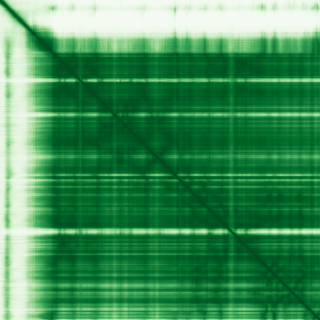
Predicted protein structure

Clinical relevance (Genomics England PanelApp)

Diagnostic Grade (Green)

  • Likely inborn error of metabolism

    BOTH monoallelic and biallelic (but BIALLELIC mutations cause a more SEVERE disease form), autosomal or pseudoautosomal
  • Nephrocalcinosis or nephrolithiasis

    BOTH monoallelic and biallelic (but BIALLELIC mutations cause a more SEVERE disease form), autosomal or pseudoautosomal
  • Undiagnosed metabolic disorders

    BOTH monoallelic and biallelic (but BIALLELIC mutations cause a more SEVERE disease form), autosomal or pseudoautosomal
  • Childhood onset dystonia, chorea or related movement disorder

Disease associations (Open Targets)

  • cystinuria

    0.85
  • cystine urolithiasis

    0.52
  • hereditary disease

    0.47
  • hypotonia-cystinuria syndrome

    0.38
  • cystinuria type A

    0.37
  • kidney disorder

    0.35
  • Premature ovarian insufficiency

    0.33
  • autism spectrum disorder

    0.33
  • celiac disease

    0.29
  • cardiac arrest

    0.28

Score is the Open Targets composite evidence score (0-1). Higher = stronger gene-disease association.

Protein function (UniProt)

Amino acid transporter heavy chain SLC3A1

Acts as a chaperone that facilitates biogenesis and trafficking of functional transporter heteromers to the plasma membrane (By similarity) (PubMed:10588648, PubMed:11318953, PubMed:16609684, PubMed:16825196, PubMed:32494597, PubMed:32817565, PubMed:7686906, PubMed:8486766, PubMed:8663184, PubMed:8663357). Associates with SLC7A9 to form a functional transporter complex that mediates the electrogenic exchange between cationic amino acids and neutral amino acids, with a stoichiometry of 1:1. SLC7A9-SLC3A1 transporter has system b(0,+)-like activity with high affinity for extracellular cationic amino acids and L-cystine and lower affinity for intracellular neutral amino acids. Substrate exchange is driven by high concentration of intracellular neutral amino acids and the intracellular reduction of L-cystine to L-cysteine. SLC7A9-SLC3A1 acts as a major transporter for reabsorption of L-cystine and dibasic amino acids across the brush border membrane in early proximal tubules (PubMed:10588648, PubMed:11318953, PubMed:16609684, PubMed:16825196, PubMed:32494597, PubMed:32817565, PubMed:7686906, PubMed:8486766, PubMed:8663184, PubMed:8663357). Associates with SLC7A13 to form a functional complex that transports anionic and neutral amino acids via exchange or facilitated diffusion. SLC7A13-SLC3A1 may act as a major transporter for L-cystine in late proximal tubules, ensuring its reabsorption from the luminal fluid in exchange for cytosolic L-glutamate or L-aspartate (By similarity)

Data sources: HGNC (CC BY 4.0), AlphaFold (CC BY 4.0, Jumper et al. Nature 2021), Genomics England PanelApp (CC BY 4.0), ClinGen, Open Targets (CC0), UniProt.

Not for sole clinical decision-making. Always verify against primary sources.