Skip to content
GenoLensGenoLens

SLC52A3

Chr 20p13

solute carrier family 52 member 3

Aliases:
bA371L19.1, hRFT2, RFVT3, RFT2
MANE:
ENST00000645534.1

Annotations refreshed 1 month ago.

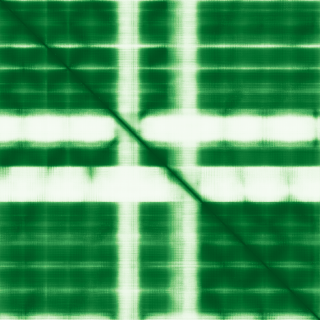
Predicted protein structure

Clinical relevance (Genomics England PanelApp)

Diagnostic Grade (Green)

  • Amyotrophic lateral sclerosis/motor neuron disease

    BIALLELIC, autosomal or pseudoautosomal
  • DDG2P

    BIALLELIC, autosomal or pseudoautosomal
  • Hereditary neuropathy

    BIALLELIC, autosomal or pseudoautosomal
  • Hereditary neuropathy or pain disorder

    BIALLELIC, autosomal or pseudoautosomal
  • Likely inborn error of metabolism

    BOTH monoallelic and biallelic, autosomal or pseudoautosomal
  • Mitochondrial disorders

    BOTH monoallelic and biallelic, autosomal or pseudoautosomal
  • Monogenic hearing loss

    BIALLELIC, autosomal or pseudoautosomal
  • Paediatric motor neuronopathies

    BIALLELIC, autosomal or pseudoautosomal

+7 more panels — install the extension to see the full list inline on any page.

Disease associations (Open Targets)

  • Brown-Vialetto-van Laere syndrome 1

    0.84
  • riboflavin transporter deficiency

    0.71
  • progressive bulbar palsy of childhood

    0.69
  • hereditary disease

    0.52
  • distal hereditary motor neuropathy

    0.46
  • obstructive sleep apnea syndrome

    0.34
  • auditory neuropathy

    0.33
  • Madras motor neuron disease

    0.27
  • Alzheimer disease

    0.26
  • appendicitis

    0.24

Score is the Open Targets composite evidence score (0-1). Higher = stronger gene-disease association.

Protein function (UniProt)

Solute carrier family 52, riboflavin transporter, member 3

Plasma membrane transporter mediating the uptake by cells of the water soluble vitamin B2/riboflavin that plays a key role in biochemical oxidation-reduction reactions of the carbohydrate, lipid, and amino acid metabolism (PubMed:20463145, PubMed:22273710, PubMed:24264046, PubMed:27702554). Humans are unable to synthesize vitamin B2/riboflavin and must obtain it via intestinal absorption (PubMed:20463145)

Data sources: HGNC (CC BY 4.0), AlphaFold (CC BY 4.0, Jumper et al. Nature 2021), Genomics England PanelApp (CC BY 4.0), ClinGen, Open Targets (CC0), UniProt.

Not for sole clinical decision-making. Always verify against primary sources.