Skip to content
GenoLensGenoLens

SLC6A5

Chr 11p15.1

solute carrier family 6 member 5

Aliases:
GLYT2, GlyT-2
MANE:
ENST00000525748.6

Annotations refreshed 1 month ago.

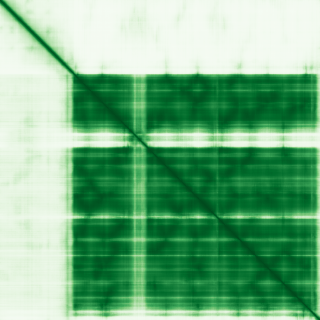
Predicted protein structure

Clinical relevance (Genomics England PanelApp)

Diagnostic Grade (Green)

  • Brain channelopathy

    BOTH monoallelic and biallelic, autosomal or pseudoautosomal
  • DDG2P

    BIALLELIC, autosomal or pseudoautosomal
  • Paroxysmal central nervous system disorders

    BOTH monoallelic and biallelic, autosomal or pseudoautosomal
  • Childhood onset dystonia, chorea or related movement disorder

    BOTH monoallelic and biallelic, autosomal or pseudoautosomal
  • Likely inborn error of metabolism

    BOTH monoallelic and biallelic, autosomal or pseudoautosomal
  • Adult onset dystonia, chorea or related movement disorder

    BOTH monoallelic and biallelic, autosomal or pseudoautosomal
  • Adult onset neurodegenerative disorder

    BOTH monoallelic and biallelic, autosomal or pseudoautosomal
  • Early onset or syndromic epilepsy

    BOTH monoallelic and biallelic, autosomal or pseudoautosomal

+3 more panels — install the extension to see the full list inline on any page.

Disease associations (Open Targets)

  • hereditary hyperekplexia

    0.77
  • hyperekplexia 3

    0.76
  • hyperekplexia

    0.47
  • Exaggerated startle response

    0.42
  • hereditary disease

    0.42
  • brain disorder

    0.37
  • cervicitis

    0.29
  • placenta praevia

    0.26
  • spondylolisthesis

    0.25
  • DNA methylation

    0.22

Score is the Open Targets composite evidence score (0-1). Higher = stronger gene-disease association.

Protein function (UniProt)

Sodium- and chloride-dependent glycine transporter 2

Sodium- and chloride-dependent glycine transporter (PubMed:10381548, PubMed:10606742, PubMed:16751771, PubMed:31370103, PubMed:9845349). Terminates the action of glycine by its high affinity sodium-dependent reuptake into presynaptic terminals (PubMed:9845349). May be responsible for the termination of neurotransmission at strychnine-sensitive glycinergic synapses (PubMed:9845349)

Data sources: HGNC (CC BY 4.0), AlphaFold (CC BY 4.0, Jumper et al. Nature 2021), Genomics England PanelApp (CC BY 4.0), ClinGen, Open Targets (CC0), UniProt.

Not for sole clinical decision-making. Always verify against primary sources.