Skip to content
GenoLensGenoLens

SLC7A9

Chr 19q13.11

solute carrier family 7 member 9

Aliases:
BAT1
MANE:
ENST00000023064.9

Annotations refreshed 9 hours ago.

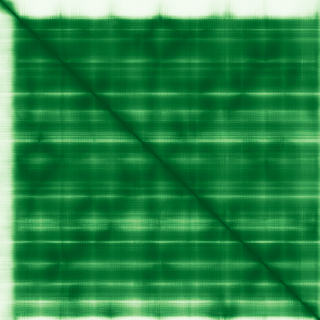
Predicted protein structure

Clinical relevance (Genomics England PanelApp)

Diagnostic Grade (Green)

  • Likely inborn error of metabolism

    BOTH monoallelic and biallelic (but BIALLELIC mutations cause a more SEVERE disease form), autosomal or pseudoautosomal
  • Nephrocalcinosis or nephrolithiasis

    BOTH monoallelic and biallelic (but BIALLELIC mutations cause a more SEVERE disease form), autosomal or pseudoautosomal
  • Undiagnosed metabolic disorders

    BOTH monoallelic and biallelic (but BIALLELIC mutations cause a more SEVERE disease form), autosomal or pseudoautosomal
  • Childhood onset dystonia, chorea or related movement disorder

Disease associations (Open Targets)

  • cystinuria

    0.84
  • cystine urolithiasis

    0.50
  • hereditary disease

    0.41
  • gout

    0.38
  • cystinuria type B

    0.37
  • Bethlem myopathy

    0.27
  • Bethlem myopathy 1A

    0.27
  • chronic kidney disease

    0.26
  • Nephropathy

    0.24
  • nephritis

    0.24

Score is the Open Targets composite evidence score (0-1). Higher = stronger gene-disease association.

Protein function (UniProt)

b(0,+)-type amino acid transporter 1

Associates with SLC3A1 to form a functional transporter complex that mediates the electrogenic exchange between cationic amino acids and neutral amino acids, with a stoichiometry of 1:1 (PubMed:16825196, PubMed:32494597, PubMed:32817565, PubMed:8663357). Has system b(0,+)-like activity with high affinity for extracellular cationic amino acids and L-cystine and lower affinity for intracellular neutral amino acids (PubMed:16825196, PubMed:32494597, PubMed:8663357). Substrate exchange is driven by high concentration of intracellular neutral amino acids and the intracellular reduction of L-cystine to L-cysteine (PubMed:8663357). Required for reabsorption of L-cystine and dibasic amino acids across the brush border membrane in renal proximal tubules

Data sources: HGNC (CC BY 4.0), AlphaFold (CC BY 4.0, Jumper et al. Nature 2021), Genomics England PanelApp (CC BY 4.0), ClinGen, Open Targets (CC0), UniProt.

Not for sole clinical decision-making. Always verify against primary sources.