Skip to content
GenoLensGenoLens

SLURP1

Chr 8q24.3

secreted LY6/PLAUR domain containing 1

Aliases:
ARS, ANUP, MDM, ArsB, LY6LS
MANE:
ENST00000246515.2

Annotations refreshed 9 hours ago.

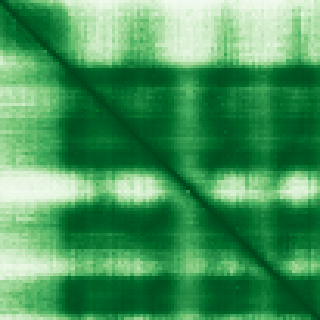
Predicted protein structure

Clinical relevance (Genomics England PanelApp)

Diagnostic Grade (Green)

  • Ichthyosis and erythrokeratoderma

    BOTH monoallelic and biallelic (but BIALLELIC mutations cause a more SEVERE disease form), autosomal or pseudoautosomal
  • Palmoplantar keratoderma and erythrokeratodermas

    BOTH monoallelic and biallelic (but BIALLELIC mutations cause a more SEVERE disease form), autosomal or pseudoautosomal
  • Palmoplantar keratodermas

    BOTH monoallelic and biallelic (but BIALLELIC mutations cause a more SEVERE disease form), autosomal or pseudoautosomal

Disease associations (Open Targets)

  • mal de Meleda

    0.81
  • epidermolytic palmoplantar keratoderma, 1

    0.38
  • hereditary palmoplantar keratoderma

    0.37
  • Palmoplantar keratoderma

    0.37
  • diffuse palmoplantar keratoderma

    0.37
  • dermatophytosis

    0.22
  • subarachnoid hemorrhage

    0.14
  • neoplasm

    0.09
  • gastric carcinoma

    0.09
  • posterior cortical atrophy

    0.07

Score is the Open Targets composite evidence score (0-1). Higher = stronger gene-disease association.

Protein function (UniProt)

Secreted Ly-6/uPAR-related protein 1

Has an antitumor activity (PubMed:8742060). Was found to be a marker of late differentiation of the skin. Implicated in maintaining the physiological and structural integrity of the keratinocyte layers of the skin (PubMed:14721776, PubMed:17008884). In vitro down-regulates keratinocyte proliferation; the function may involve the proposed role as modulator of nicotinic acetylcholine receptors (nAChRs) activity. In vitro inhibits alpha-7-dependent nAChR currents in an allosteric manner (PubMed:14506129, PubMed:26905431). In T cells may be involved in regulation of intracellular Ca(2+) signaling (PubMed:17286989). Seems to have an immunomodulatory function in the cornea (By similarity). The function may implicate a possible role as a scavenger receptor for PLAU thereby blocking PLAU-dependent functions of PLAUR such as in cell migration and proliferation (PubMed:25168896)

Data sources: HGNC (CC BY 4.0), AlphaFold (CC BY 4.0, Jumper et al. Nature 2021), Genomics England PanelApp (CC BY 4.0), ClinGen, Open Targets (CC0), UniProt.

Not for sole clinical decision-making. Always verify against primary sources.