Skip to content
GenoLensGenoLens

SMAD5

Chr 5q31.1

SMAD family member 5

Aliases:
Dwfc, JV5-1
MANE:
ENST00000545279.6

Annotations refreshed 9 hours ago.

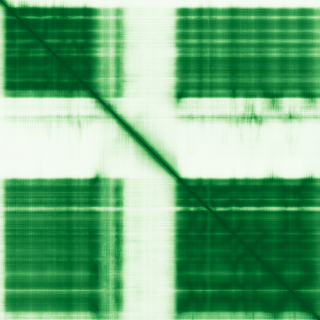
Predicted protein structure

Clinical relevance (Genomics England PanelApp)

Moderate Evidence (Amber)

  • Fetal anomalies

    MONOALLELIC, autosomal or pseudoautosomal, NOT imprinted

Disease associations (Open Targets)

  • neurodegenerative disease

    0.23
  • congenital heart disease

    0.23
  • benign prostatic hyperplasia

    0.17
  • insomnia

    0.15
  • gastric cancer

    0.09
  • nasopharyngeal carcinoma

    0.09
  • neoplasm

    0.08
  • keloid

    0.08
  • chronic myelogenous leukemia, BCR-ABL1 positive

    0.08
  • pulmonary arterial hypertension

    0.07

Score is the Open Targets composite evidence score (0-1). Higher = stronger gene-disease association.

Protein function (UniProt)

SMAD family member 5

Transcriptional regulator that plays a role in various cellular processes including embryonic development, cell differentiation, angiogenesis and tissue homeostasis (PubMed:12064918, PubMed:16516194). Upon BMP ligand binding to their receptors at the cell surface, is phosphorylated by activated type I BMP receptors (BMPRIs) and associates with SMAD4 to form a heteromeric complex which translocates into the nucleus acting as transcription factor (PubMed:9442019). In turn, the hetero-trimeric complex recognizes cis-regulatory elements containing Smad Binding Elements (SBEs) to modulate the outcome of the signaling network (PubMed:33510867). Non-phosphorylated SMAD5 has a cytoplasmic role in energy metabolism regulation by promoting mitochondrial respiration and glycolysis in response to cytoplasmic pH changes (PubMed:28675158). Mechanistically, interacts with hexokinase 1/HK1 and thereby accelerates glycolysis (PubMed:28675158)

Data sources: HGNC (CC BY 4.0), AlphaFold (CC BY 4.0, Jumper et al. Nature 2021), Genomics England PanelApp (CC BY 4.0), ClinGen, Open Targets (CC0), UniProt.

Not for sole clinical decision-making. Always verify against primary sources.