Skip to content
GenoLensGenoLens

SMPD4

Chr 2q21.1

sphingomyelin phosphodiesterase 4

Aliases:
FLJ20297, FLJ20756, nSMase-3, KIAA1418, NSMASE3
MANE:
ENST00000680298.1

Annotations refreshed 10 hours ago.

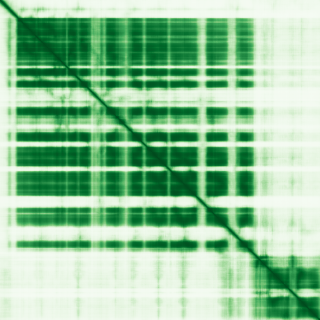
Predicted protein structure

Clinical relevance (Genomics England PanelApp)

Diagnostic Grade (Green)

  • Arthrogryposis

    BIALLELIC, autosomal or pseudoautosomal
  • Cerebellar hypoplasia

    BIALLELIC, autosomal or pseudoautosomal
  • DDG2P

    BIALLELIC, autosomal or pseudoautosomal
  • Fetal anomalies

    BIALLELIC, autosomal or pseudoautosomal
  • Intellectual disability

    BIALLELIC, autosomal or pseudoautosomal
  • Monogenic diabetes

    BIALLELIC, autosomal or pseudoautosomal
  • Ataxia and cerebellar anomalies - narrow panel

    BIALLELIC, autosomal or pseudoautosomal
  • Childhood onset dystonia, chorea or related movement disorder

+1 more panels — install the extension to see the full list inline on any page.

Disease associations (Open Targets)

  • neurodevelopmental disorder with microcephaly, arthrogryposis, and structural brain anomalies

    0.76
  • neurodegenerative disease

    0.44
  • hereditary disease

    0.42
  • diabetes mellitus

    0.37
  • type 1 diabetes mellitus

    0.37
  • Abnormal cerebral morphology

    0.33
  • microcephaly

    0.04
  • hepatocellular carcinoma

    0.04
  • urinary bladder cancer

    0.02
  • urinary bladder carcinoma

    0.02

Score is the Open Targets composite evidence score (0-1). Higher = stronger gene-disease association.

Protein function (UniProt)

Sphingomyelin phosphodiesterase 4

Catalyzes the hydrolysis of membrane sphingomyelin to form phosphorylcholine and ceramide (PubMed:16517606, PubMed:25180167). It has a relevant role in the homeostasis of membrane sphingolipids, thereby influencing membrane integrity, and endoplasmic reticulum organization and function (PubMed:31495489). May sensitize cells to DNA damage-induced apoptosis (PubMed:18505924). In skeletal muscle, mediates TNF-stimulated oxidant production (By similarity)

Data sources: HGNC (CC BY 4.0), AlphaFold (CC BY 4.0, Jumper et al. Nature 2021), Genomics England PanelApp (CC BY 4.0), ClinGen, Open Targets (CC0), UniProt.

Not for sole clinical decision-making. Always verify against primary sources.