Skip to content
GenoLensGenoLens

SNAP29

Chr 22q11.21

synaptosome associated protein 29

Aliases:
SNAP-29, CEDNIK
MANE:
ENST00000215730.12

Annotations refreshed 11 hours ago.

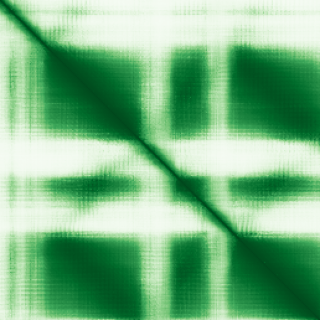
Predicted protein structure

Clinical relevance (Genomics England PanelApp)

Diagnostic Grade (Green)

  • DDG2P

    BIALLELIC, autosomal or pseudoautosomal
  • Ichthyosis and erythrokeratoderma

    BIALLELIC, autosomal or pseudoautosomal
  • Intellectual disability

    BIALLELIC, autosomal or pseudoautosomal
  • Malformations of cortical development

    BIALLELIC, autosomal or pseudoautosomal
  • Palmoplantar keratoderma and erythrokeratodermas

    BIALLELIC, autosomal or pseudoautosomal
  • Palmoplantar keratodermas

    BIALLELIC, autosomal or pseudoautosomal
  • Vici Syndrome and other autophagy disorders

    BIALLELIC, autosomal or pseudoautosomal
  • Fetal anomalies

    BIALLELIC, autosomal or pseudoautosomal

Disease associations (Open Targets)

  • CEDNIK syndrome

    0.79
  • hypomyelinating leukodystrophy 2

    0.42
  • hereditary disease

    0.41
  • Alzheimer disease

    0.21
  • neurodegenerative disease

    0.21
  • Parkinson disease

    0.21
  • lysosomal storage disease

    0.20
  • multiple sclerosis

    0.20
  • spastic paraplegia 84, autosomal recessive

    0.15
  • polymicrogyria, perisylvian, with cerebellar hypoplasia and arthrogryposis

    0.12

Score is the Open Targets composite evidence score (0-1). Higher = stronger gene-disease association.

Protein function (UniProt)

Synaptosomal-associated protein 29

SNAREs, soluble N-ethylmaleimide-sensitive factor-attachment protein receptors, are essential proteins for fusion of cellular membranes. SNAREs localized on opposing membranes assemble to form a trans-SNARE complex, an extended, parallel four alpha-helical bundle that drives membrane fusion. SNAP29 is a SNARE involved in autophagy through the direct control of autophagosome membrane fusion with the lysososome membrane. Also plays a role in ciliogenesis by regulating membrane fusions

Data sources: HGNC (CC BY 4.0), AlphaFold (CC BY 4.0, Jumper et al. Nature 2021), Genomics England PanelApp (CC BY 4.0), ClinGen, Open Targets (CC0), UniProt.

Not for sole clinical decision-making. Always verify against primary sources.