
AlphaFold predicted structure
SNF8 · Q96H20
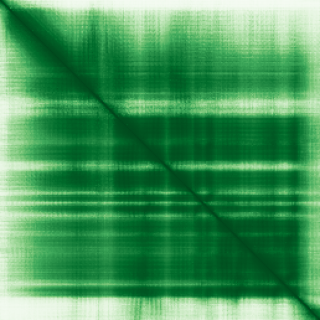
Mean pLDDT
84.9/ 100
Confident
258 residues
Confidence breakdown
- Very high(≥ 90)49%
- Confident(70–90)36%
- Low(50–70)13%
- Very low(< 50)2%
Open interactive 3D viewer
AlphaFold (Jumper et al., 2021) · CC BY 4.0
SNF8 subunit of ESCRT-II
Annotations refreshed 3 months ago.
Diagnostic Grade (Green)
DDG2P
BIALLELIC, autosomal or pseudoautosomalFetal anomalies
BIALLELIC, autosomal or pseudoautosomalIntellectual disability
BIALLELIC, autosomal or pseudoautosomalEarly onset or syndromic epilepsy
BIALLELIC, autosomal or pseudoautosomalOptic neuropathy
BIALLELIC, autosomal or pseudoautosomalneurodevelopmental disorder plus optic atrophy
developmental and epileptic encephalopathy 115
neurodegenerative disease
viral infectious disease
neurodevelopmental disorder
Intellectual disability
type 2 diabetes mellitus
hypertensive disorder
acute tonsillitis
essential hypertension
Score is the Open Targets composite evidence score (0-1). Higher = stronger gene-disease association.
Vacuolar-sorting protein SNF8
Component of the endosomal sorting complex required for transport II (ESCRT-II), which is required for multivesicular body (MVB) formation and sorting of endosomal cargo proteins into MVBs, and plays a role in autophagy (PubMed:38423010). The MVB pathway mediates delivery of transmembrane proteins into the lumen of the lysosome for degradation. The ESCRT-II complex is probably involved in the recruitment of the ESCRT-III complex. The ESCRT-II complex may also play a role in transcription regulation by participating in derepression of transcription by RNA polymerase II, possibly via its interaction with ELL. Required for degradation of both endocytosed EGF and EGFR, but not for the EGFR ligand-mediated internalization. It is also required for the degradation of CXCR4. Required for the exosomal release of SDCBP, CD63 and syndecan (PubMed:22660413)
SNF8 · Q96H20
Mean pLDDT
84.9/ 100
Confident
258 residues
Confidence breakdown
AlphaFold (Jumper et al., 2021) · CC BY 4.0