
AlphaFold predicted structure
SNX10 · Q9Y5X0
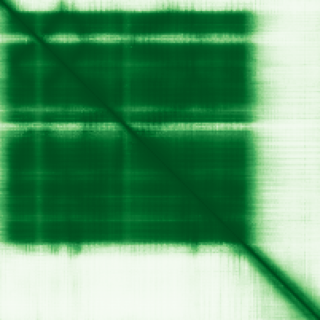
Mean pLDDT
85.3/ 100
Confident
201 residues
Confidence breakdown
- Very high(≥ 90)66%
- Confident(70–90)9%
- Low(50–70)20%
- Very low(< 50)5%
Open interactive 3D viewer
AlphaFold (Jumper et al., 2021) · CC BY 4.0
sorting nexin 10
Annotations refreshed 2 months ago.
Diagnostic Grade (Green)
COVID-19 research
BIALLELIC, autosomal or pseudoautosomalFetal anomalies
BIALLELIC, autosomal or pseudoautosomalHydrocephalus
BIALLELIC, autosomal or pseudoautosomalOsteopetrosis
BIALLELIC, autosomal or pseudoautosomalSkeletal dysplasia
BIALLELIC, autosomal or pseudoautosomalPrimary immunodeficiency or monogenic inflammatory bowel disease
BIALLELIC, autosomal or pseudoautosomalAutosomal recessive malignant osteopetrosis
metabolic syndrome
hypertensive disorder
response to xenobiotic stimulus
smoking behavior
osteopetrosis
cardiovascular disorder
male reproductive organ cancer
Abnormality of the skeletal system
nephrotic syndrome
Score is the Open Targets composite evidence score (0-1). Higher = stronger gene-disease association.
Sorting nexin-10
Probable phosphoinositide-binding protein involved in protein sorting and membrane trafficking in endosomes. Plays a role in cilium biogenesis through regulation of the transport and the localization of proteins to the cilium. Required for the localization to the cilium of V-ATPase subunit ATP6V1D and ATP6V0D1, and RAB8A. Involved in osteoclast differentiation and therefore bone resorption
SNX10 · Q9Y5X0
Mean pLDDT
85.3/ 100
Confident
201 residues
Confidence breakdown
AlphaFold (Jumper et al., 2021) · CC BY 4.0