AlphaFold predicted structure
SPINK5 · Q9NQ38
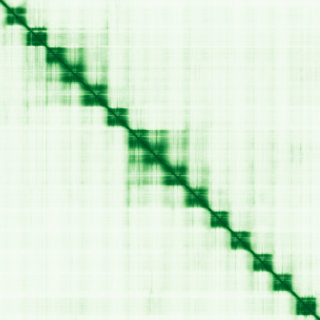
Mean pLDDT
74.0/ 100
Confident
1,064 residues
Confidence breakdown
- Very high(≥ 90)11%
- Confident(70–90)61%
- Low(50–70)14%
- Very low(< 50)15%
AlphaFold (Jumper et al., 2021) · CC BY 4.0
serine peptidase inhibitor Kazal type 5
Annotations refreshed 10 hours ago.
Diagnostic Grade (Green)
COVID-19 research
BIALLELIC, autosomal or pseudoautosomalIchthyosis and erythrokeratoderma
BIALLELIC, autosomal or pseudoautosomalPalmoplantar keratodermas
BIALLELIC, autosomal or pseudoautosomalPrimary immunodeficiency or monogenic inflammatory bowel disease
BIALLELIC, autosomal or pseudoautosomalSevere multi-system atopic disease with high IgE
BIALLELIC, autosomal or pseudoautosomalEpidermolysis bullosa and congenital skin fragility
BIALLELIC, autosomal or pseudoautosomalMonogenic hearing loss
Netherton syndrome
ichthyosis linearis circumflexa
erythematosquamous dermatosis
seborrheic dermatitis
atopic IgE-mediated allergic disorder
IgE responsiveness, atopic
exfoliative dermatitis
Increased circulating IgE concentration
neurodegenerative disease
hereditary disease
Score is the Open Targets composite evidence score (0-1). Higher = stronger gene-disease association.
Serine protease inhibitor Kazal-type 5
Serine protease inhibitor, probably important for the anti-inflammatory and/or antimicrobial protection of mucous epithelia. Contribute to the integrity and protective barrier function of the skin by regulating the activity of defense-activating and desquamation-involved proteases. Inhibits KLK5, its major target, in a pH-dependent manner. Inhibits KLK7, KLK14 CASP14, and trypsin
SPINK5 · Q9NQ38

Mean pLDDT
74.0/ 100
Confident
1,064 residues
Confidence breakdown
AlphaFold (Jumper et al., 2021) · CC BY 4.0