
AlphaFold predicted structure
SQOR · Q9Y6N5
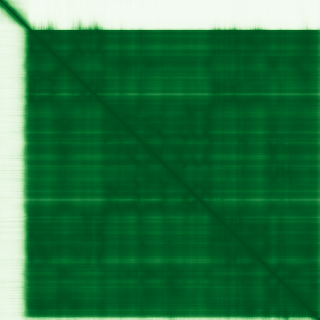
Mean pLDDT
93.0/ 100
Very high
450 residues
Confidence breakdown
- Very high(≥ 90)90%
- Confident(70–90)1%
- Low(50–70)1%
- Very low(< 50)8%
Open interactive 3D viewer
AlphaFold (Jumper et al., 2021) · CC BY 4.0
sulfide quinone oxidoreductase
Annotations refreshed 2 months ago.
Diagnostic Grade (Green)
Likely inborn error of metabolism
BIALLELIC, autosomal or pseudoautosomalMitochondrial disorder with complex IV deficiency
BIALLELIC, autosomal or pseudoautosomalMitochondrial disorders
BIALLELIC, autosomal or pseudoautosomalPossible mitochondrial disorder - nuclear genes
BIALLELIC, autosomal or pseudoautosomalsulfide quinone oxidoreductase deficiency
Leigh syndrome
alcohol drinking
urolithiasis
type 2 diabetes mellitus
Abnormality of the skeletal system
obesity disorder
hair anomaly
retinal degeneration
central nervous system cancer
Score is the Open Targets composite evidence score (0-1). Higher = stronger gene-disease association.
Sulfide:quinone oxidoreductase, mitochondrial
Catalyzes the oxidation of hydrogen sulfide with the help of a quinone, such as ubiquinone-10, giving rise to thiosulfate and ultimately to sulfane (molecular sulfur) atoms. Requires an additional electron acceptor; can use sulfite, sulfide or cyanide (in vitro) (PubMed:22852582). It is believed the in vivo electron acceptor is glutathione (PubMed:25225291, PubMed:29715001)
SQOR · Q9Y6N5
Mean pLDDT
93.0/ 100
Very high
450 residues
Confidence breakdown
AlphaFold (Jumper et al., 2021) · CC BY 4.0