Skip to content
GenoLensGenoLens

STAMBP

Chr 2p13.1

STAM binding protein

Aliases:
AMSH
MANE:
ENST00000394070.7

Annotations refreshed 10 hours ago.

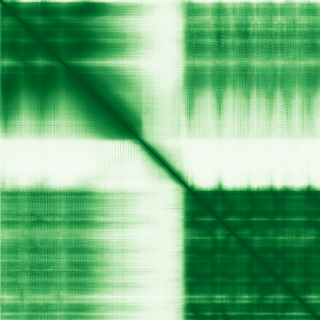
Predicted protein structure

Clinical relevance (Genomics England PanelApp)

Diagnostic Grade (Green)

  • Clefting

    BIALLELIC, autosomal or pseudoautosomal
  • DDG2P

    BIALLELIC, autosomal or pseudoautosomal
  • Early onset or syndromic epilepsy

    BIALLELIC, autosomal or pseudoautosomal
  • Fetal anomalies

    BIALLELIC, autosomal or pseudoautosomal
  • Intellectual disability

    BIALLELIC, autosomal or pseudoautosomal
  • Severe microcephaly

    BIALLELIC, autosomal or pseudoautosomal
  • Vascular skin disorders

    BIALLELIC, autosomal or pseudoautosomal
  • Cerebral vascular malformations

    BIALLELIC, autosomal or pseudoautosomal

Disease associations (Open Targets)

  • microcephaly-capillary malformation syndrome

    0.80
  • neurodegenerative disease

    0.43
  • stroke disorder

    0.25
  • alcohol drinking

    0.24
  • hereditary disease

    0.19
  • breast carcinoma

    0.16
  • melanoma

    0.12
  • neoplasm

    0.10
  • familial long QT syndrome

    0.10
  • Romano-Ward syndrome

    0.10

Score is the Open Targets composite evidence score (0-1). Higher = stronger gene-disease association.

Protein function (UniProt)

STAM-binding protein

Zinc metalloprotease that specifically cleaves 'Lys-63'-linked polyubiquitin chains (PubMed:15314065, PubMed:23542699, PubMed:34425109). Does not cleave 'Lys-48'-linked polyubiquitin chains (PubMed:15314065). Plays a role in signal transduction for cell growth and MYC induction mediated by IL-2 and GM-CSF (PubMed:10383417). Potentiates BMP (bone morphogenetic protein) signaling by antagonizing the inhibitory action of SMAD6 and SMAD7 (PubMed:11483516). Has a key role in regulation of cell surface receptor-mediated endocytosis and ubiquitin-dependent sorting of receptors to lysosomes (PubMed:15314065, PubMed:17261583). Endosomal localization of STAMBP is required for efficient EGFR degradation but not for its internalization (PubMed:15314065, PubMed:17261583). Involved in the negative regulation of PI3K-AKT-mTOR and RAS-MAP signaling pathways (PubMed:23542699)

Data sources: HGNC (CC BY 4.0), AlphaFold (CC BY 4.0, Jumper et al. Nature 2021), Genomics England PanelApp (CC BY 4.0), ClinGen, Open Targets (CC0), UniProt.

Not for sole clinical decision-making. Always verify against primary sources.