AlphaFold predicted structure
STAT2 · P52630
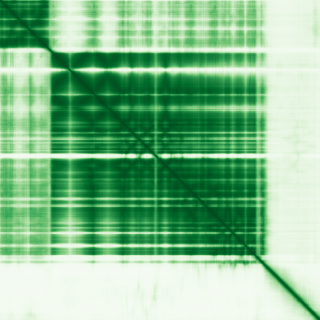
Mean pLDDT
77.8/ 100
Confident
851 residues
Confidence breakdown
- Very high(≥ 90)48%
- Confident(70–90)28%
- Low(50–70)5%
- Very low(< 50)20%
AlphaFold (Jumper et al., 2021) · CC BY 4.0
signal transducer and activator of transcription 2
Annotations refreshed 10 hours ago.
Diagnostic Grade (Green)
COVID-19 research
BIALLELIC, autosomal or pseudoautosomalPrimary immunodeficiency or monogenic inflammatory bowel disease
BIALLELIC, autosomal or pseudoautosomalLikely inborn error of metabolism
BIALLELIC, autosomal or pseudoautosomalUndiagnosed metabolic disorders
BIALLELIC, autosomal or pseudoautosomalDDG2P
BIALLELIC, autosomal or pseudoautosomalGeneralised pustular psoriasis
BIALLELIC, autosomal or pseudoautosomalMitochondrial disorders
BIALLELIC, autosomal or pseudoautosomalPossible mitochondrial disorder - nuclear genes
BIALLELIC, autosomal or pseudoautosomalprimary immunodeficiency with post-measles-mumps-rubella vaccine viral infection
pseudo-TORCH syndrome 3
COVID-19
dengue disease
hereditary disease
neoplasm
psoriasis
systemic lupus erythematosus
Zika virus infectious disease
infection
Score is the Open Targets composite evidence score (0-1). Higher = stronger gene-disease association.
Signal transducer and activator of transcription 2
Signal transducer and activator of transcription that mediates signaling by type I interferons (IFN-alpha and IFN-beta). Following type I IFN binding to cell surface receptors, Jak kinases (TYK2 and JAK1) are activated, leading to tyrosine phosphorylation of STAT1 and STAT2. The phosphorylated STATs dimerize, associate with IRF9/ISGF3G to form a complex termed ISGF3 transcription factor, that enters the nucleus. ISGF3 binds to the IFN stimulated response element (ISRE) to activate the transcription of interferon stimulated genes, which drive the cell in an antiviral state (PubMed:23391734, PubMed:9020188). In addition, also has a negative feedback regulatory role in the type I interferon signaling by recruiting USP18 to the type I IFN receptor subunit IFNAR2 thereby mitigating the response to type I IFNs (PubMed:28165510). Acts as a regulator of mitochondrial fission by modulating the phosphorylation of DNM1L at 'Ser-616' and 'Ser-637' which activate and inactivate the GTPase activity of DNM1L respectively (PubMed:23391734, PubMed:26122121, PubMed:9020188)
STAT2 · P52630

Mean pLDDT
77.8/ 100
Confident
851 residues
Confidence breakdown
AlphaFold (Jumper et al., 2021) · CC BY 4.0