AlphaFold predicted structure
STK36 · Q9NRP7
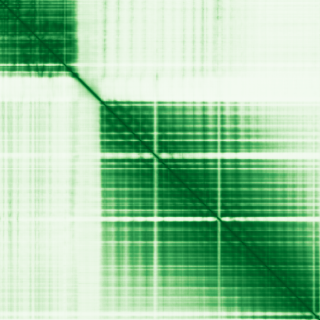
Mean pLDDT
80.9/ 100
Confident
1,315 residues
Confidence breakdown
- Very high(≥ 90)47%
- Confident(70–90)36%
- Low(50–70)6%
- Very low(< 50)12%
AlphaFold (Jumper et al., 2021) · CC BY 4.0
serine/threonine kinase 36
Annotations refreshed 9 hours ago.
Moderate Evidence (Amber)
Respiratory ciliopathies including non-CF bronchiectasis
BIALLELIC, autosomal or pseudoautosomalciliary dyskinesia, primary, 46
primary ciliary dyskinesia
neurodegenerative disease
spermatogenic failure 18
posterior cortical atrophy
focal segmental glomerulosclerosis
familial idiopathic steroid-resistant nephrotic syndrome
Joubert syndrome
proteinuria, chronic benign
Abnormality of the skeletal system
Score is the Open Targets composite evidence score (0-1). Higher = stronger gene-disease association.
Serine/threonine-protein kinase 36
Serine/threonine protein kinase which plays an important role in the smoothened pathway by regulating the activity of GLI transcription factors (PubMed:10806483, PubMed:28543983, PubMed:31279575, PubMed:38096226). Controls the activity of the transcriptional regulators GLI1, GLI2 and GLI3 by opposing the effect of SUFU and promoting their nuclear localization (PubMed:10806483, PubMed:31279575, PubMed:38096226). Acts by mediating phosphorylation of GLI proteins, promoting their dissociation from SUFU (PubMed:28543983, PubMed:31279575, PubMed:38096226). Also catalyzes phosphorylation of ULK4 adapter (PubMed:38096226). GLI2 requires an additional function of STK36 to become transcriptionally active, but the enzyme does not need to possess an active kinase catalytic site for this to occur (PubMed:10806483). Required for postnatal development, possibly by regulating the homeostasis of cerebral spinal fluid or ciliary function (PubMed:28543983). Essential for construction of the central pair apparatus of motile cilia (PubMed:28543983)
STK36 · Q9NRP7

Mean pLDDT
80.9/ 100
Confident
1,315 residues
Confidence breakdown
AlphaFold (Jumper et al., 2021) · CC BY 4.0