AlphaFold predicted structure
STXBP1 · P61764
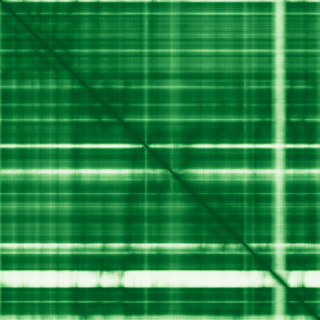
Mean pLDDT
90.4/ 100
Very high
594 residues
Confidence breakdown
- Very high(≥ 90)79%
- Confident(70–90)13%
- Low(50–70)4%
- Very low(< 50)4%
AlphaFold (Jumper et al., 2021) · CC BY 4.0
syntaxin binding protein 1
Annotations refreshed 10 hours ago.
Diagnostic Grade (Green)
DDG2P
MONOALLELIC, autosomal or pseudoautosomal, imprinted status unknownEarly onset or syndromic epilepsy
BOTH monoallelic and biallelic, autosomal or pseudoautosomalIntellectual disability
BOTH monoallelic and biallelic, autosomal or pseudoautosomalClefting
MONOALLELIC, autosomal or pseudoautosomal, NOT imprintedFetal anomalies
MONOALLELIC, autosomal or pseudoautosomal, imprinted status unknownMitochondrial disorders
developmental and epileptic encephalopathy, 4
early-infantile DEE
genetic developmental and epileptic encephalopathy
Intellectual disability
hereditary disease
developmental and epileptic encephalopathy
infantile epilepsy syndrome
Epileptic encephalopathy
Seizure
Global developmental delay
Score is the Open Targets composite evidence score (0-1). Higher = stronger gene-disease association.
Syntaxin-binding protein 1
Participates in the regulation of synaptic vesicle docking and fusion through interaction with GTP-binding proteins (By similarity). Essential for neurotransmission and binds syntaxin, a component of the synaptic vesicle fusion machinery probably in a 1:1 ratio. Can interact with syntaxins 1, 2, and 3 but not syntaxin 4. Involved in the release of neurotransmitters from neurons through interacting with SNARE complex component STX1A and mediating the assembly of the SNARE complex at synaptic membranes (By similarity). May play a role in determining the specificity of intracellular fusion reactions
STXBP1 · P61764

Mean pLDDT
90.4/ 100
Very high
594 residues
Confidence breakdown
AlphaFold (Jumper et al., 2021) · CC BY 4.0