Skip to content
GenoLensGenoLens

TACR3

Chr 4q24

tachykinin receptor 3

Aliases:
NK3R, NKR, TAC3R
MANE:
ENST00000304883.3

Annotations refreshed 10 hours ago.

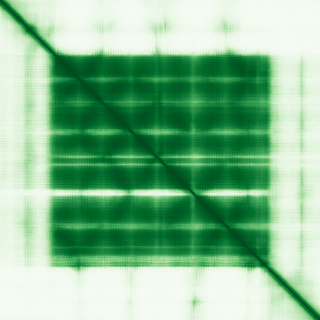
Predicted protein structure

Clinical relevance (Genomics England PanelApp)

Diagnostic Grade (Green)

  • DDG2P

    BIALLELIC, autosomal or pseudoautosomal
  • Hypogonadotropic hypogonadism

    BIALLELIC, autosomal or pseudoautosomal
  • Hypogonadotropic hypogonadism (GMS)

    BIALLELIC, autosomal or pseudoautosomal
  • Differences in sex development

    BIALLELIC, autosomal or pseudoautosomal
  • Fetal anomalies

    BIALLELIC, autosomal or pseudoautosomal

Disease associations (Open Targets)

  • hypogonadotropic hypogonadism 11 with or without anosmia

    0.69
  • hypogonadotropic hypogonadism

    0.66
  • isolated congenital hypogonadotropic hypogonadism

    0.64
  • menopause

    0.57
  • Hot flashes

    0.55
  • Abnormality of the skeletal system

    0.50
  • Kallmann syndrome

    0.47
  • testicular disorder

    0.38
  • isolated thyroid-stimulating hormone deficiency

    0.37
  • breast neoplasm

    0.37

Score is the Open Targets composite evidence score (0-1). Higher = stronger gene-disease association.

Protein function (UniProt)

Neuromedin-K receptor

Receptor for the tachykinin neuromedin-K (neurokinin B), also able to bind and respond to tachynins substance K/neurokinin A and substance P (PubMed:1312036, PubMed:37391393). The rank order of affinity of this receptor to tachykinins is: neuromedin-K > substance K and substance P (PubMed:1312036). Neuromedin-K binding to its receptor triggers G protein-coupled receptor signaling via activation of G(q) and phosphatidylinositol hydrolysis by phospholipase C (PubMed:37391393). Neuromedin-K binding also triggers signaling via activation of adenylate cyclase activity which results in increased intracellular levels of cyclic AMP (cAMP) (By similarity)

Data sources: HGNC (CC BY 4.0), AlphaFold (CC BY 4.0, Jumper et al. Nature 2021), Genomics England PanelApp (CC BY 4.0), ClinGen, Open Targets (CC0), UniProt.

Not for sole clinical decision-making. Always verify against primary sources.