
AlphaFold predicted structure
TALDO1 · P37837
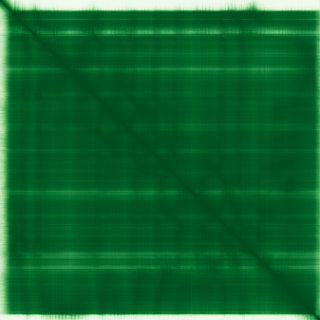
Mean pLDDT
95.6/ 100
Very high
337 residues
Confidence breakdown
- Very high(≥ 90)95%
- Confident(70–90)1%
- Low(50–70)2%
- Very low(< 50)3%
Open interactive 3D viewer
AlphaFold (Jumper et al., 2021) · CC BY 4.0
transaldolase 1
Annotations refreshed 2 months ago.
Diagnostic Grade (Green)
Cholestasis
BIALLELIC, autosomal or pseudoautosomalFetal anomalies
BIALLELIC, autosomal or pseudoautosomalFetal hydrops
BIALLELIC, autosomal or pseudoautosomalLikely inborn error of metabolism
BIALLELIC, autosomal or pseudoautosomalNeonatal cholestasis
BIALLELIC, autosomal or pseudoautosomalSkeletal dysplasia
BIALLELIC, autosomal or pseudoautosomalUndiagnosed metabolic disorders
BIALLELIC, autosomal or pseudoautosomalChildhood onset dystonia, chorea or related movement disorder
transaldolase deficiency
Disorder of carbohydrate metabolism
hydrops fetalis
hereditary disease
microcephaly
Severe global developmental delay
cataract
breast carcinoma
breast cancer
aortic stenosis
Score is the Open Targets composite evidence score (0-1). Higher = stronger gene-disease association.
Transaldolase
Catalyzes the rate-limiting step of the non-oxidative phase in the pentose phosphate pathway. Catalyzes the reversible conversion of sedoheptulose-7-phosphate and D-glyceraldehyde 3-phosphate into erythrose-4-phosphate and beta-D-fructose 6-phosphate (PubMed:18687684, PubMed:8955144). Not only acts as a pentose phosphate pathway enzyme, but also affects other metabolite pathways by altering its subcellular localization between the nucleus and the cytoplasm (By similarity)
TALDO1 · P37837
Mean pLDDT
95.6/ 100
Very high
337 residues
Confidence breakdown
AlphaFold (Jumper et al., 2021) · CC BY 4.0