Skip to content
GenoLensGenoLens

TAOK1

Chr 17q11.2

TAO kinase 1

Aliases:
KIAA1361, MARKK, PSK2, MAP3K16, FLJ14314
MANE:
ENST00000261716.8

Annotations refreshed 1 month ago.

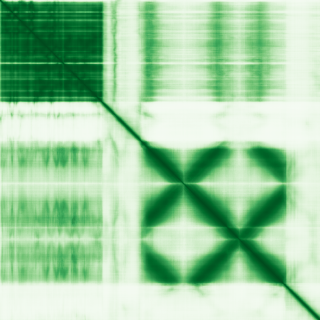
Predicted protein structure

Clinical relevance (Genomics England PanelApp)

Diagnostic Grade (Green)

  • DDG2P

    MONOALLELIC, autosomal or pseudoautosomal, imprinted status unknown
  • Intellectual disability

    MONOALLELIC, autosomal or pseudoautosomal, imprinted status unknown
  • Fetal anomalies

    MONOALLELIC, autosomal or pseudoautosomal, NOT imprinted

Disease associations (Open Targets)

  • developmental delay with or without intellectual impairment or behavioral abnormalities

    0.78
  • neurodegenerative disease

    0.56
  • hereditary disease

    0.53
  • neurodevelopmental disorder

    0.52
  • Intellectual disability

    0.47
  • lysosomal storage disease

    0.46
  • Parkinson disease

    0.45
  • autoimmune disorder of central nervous system

    0.45
  • Alzheimer disease

    0.45
  • multiple sclerosis

    0.44

Score is the Open Targets composite evidence score (0-1). Higher = stronger gene-disease association.

Protein function (UniProt)

Serine/threonine-protein kinase TAO1

Serine/threonine-protein kinase involved in various processes such as p38/MAPK14 stress-activated MAPK cascade, DNA damage response and regulation of cytoskeleton stability. Phosphorylates MAP2K3, MAP2K6 and MARK2. Acts as an activator of the p38/MAPK14 stress-activated MAPK cascade by mediating phosphorylation and subsequent activation of the upstream MAP2K3 and MAP2K6 kinases. Involved in G protein-coupled receptor signaling to p38/MAPK14. In response to DNA damage, involved in the G2/M transition DNA damage checkpoint by activating the p38/MAPK14 stress-activated MAPK cascade, probably by mediating phosphorylation of MAP2K3 and MAP2K6. Acts as a regulator of cytoskeleton stability by phosphorylating 'Thr-208' of MARK2, leading to activate MARK2 kinase activity and subsequent phosphorylation and detachment of MAPT/TAU from microtubules. Also acts as a regulator of apoptosis: regulates apoptotic morphological changes, including cell contraction, membrane blebbing and apoptotic bodies formation via activation of the MAPK8/JNK cascade. Plays an essential role in the regulation of neuronal development in the central nervous system (PubMed:33565190). Also plays a role in the regulation of neuronal migration to the cortical plate (By similarity)

Curated MONDO disease pages that list TAOK1 among their top associated genes.

Data sources: HGNC (CC BY 4.0), AlphaFold (CC BY 4.0, Jumper et al. Nature 2021), Genomics England PanelApp (CC BY 4.0), ClinGen, Open Targets (CC0), UniProt.

Not for sole clinical decision-making. Always verify against primary sources.