AlphaFold predicted structure
TAPT1 · Q6NXT6
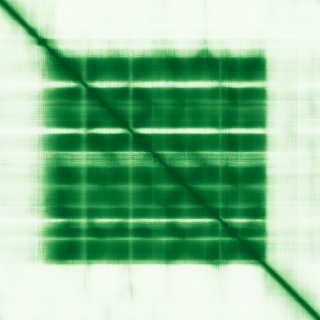
Mean pLDDT
71.3/ 100
Confident
567 residues
Confidence breakdown
- Very high(≥ 90)32%
- Confident(70–90)32%
- Low(50–70)8%
- Very low(< 50)29%
AlphaFold (Jumper et al., 2021) · CC BY 4.0
transmembrane anterior posterior transformation 1
Annotations refreshed 10 hours ago.
Diagnostic Grade (Green)
DDG2P
BIALLELIC, autosomal or pseudoautosomalFetal anomalies
BIALLELIC, autosomal or pseudoautosomalOsteogenesis imperfecta
BIALLELIC, autosomal or pseudoautosomalSkeletal dysplasia
BIALLELIC, autosomal or pseudoautosomalBilateral congenital or childhood onset cataracts
BIALLELIC, autosomal or pseudoautosomalCOVID-19 research
Neurological ciliopathies
BIALLELIC, autosomal or pseudoautosomalRare multisystem ciliopathy disorders
BIALLELIC, autosomal or pseudoautosomal+2 more panels — install the extension to see the full list inline on any page.
complex lethal osteochondrodysplasia
osteochondrodysplasia
osteogenesis imperfecta
connective tissue disorder
diabetic ketoacidosis
intracranial hemorrhage
intelligence
eye disorder
cervical carcinoma
crush injury
Score is the Open Targets composite evidence score (0-1). Higher = stronger gene-disease association.
Transmembrane anterior posterior transformation protein 1 homolog
Plays a role in primary cilia formation (PubMed:26365339). May act as a downstream effector of HOXC8 possibly by transducing or transmitting extracellular information required for axial skeletal patterning during development (By similarity). May be involved in cartilage and bone development (By similarity). May play a role in the differentiation of cranial neural crest cells (By similarity)
TAPT1 · Q6NXT6

Mean pLDDT
71.3/ 100
Confident
567 residues
Confidence breakdown
AlphaFold (Jumper et al., 2021) · CC BY 4.0