
AlphaFold predicted structure
TAT · P17735
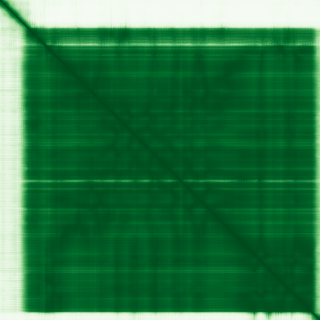
Mean pLDDT
91.8/ 100
Very high
454 residues
Confidence breakdown
- Very high(≥ 90)86%
- Confident(70–90)4%
- Low(50–70)3%
- Very low(< 50)8%
Open interactive 3D viewer
AlphaFold (Jumper et al., 2021) · CC BY 4.0
tyrosine aminotransferase
Annotations refreshed 2 months ago.
Diagnostic Grade (Green)
DDG2P
BIALLELIC, autosomal or pseudoautosomalIchthyosis and erythrokeratoderma
BIALLELIC, autosomal or pseudoautosomalIntellectual disability
BIALLELIC, autosomal or pseudoautosomalLikely inborn error of metabolism
BIALLELIC, autosomal or pseudoautosomalPalmoplantar keratoderma and erythrokeratodermas
BIALLELIC, autosomal or pseudoautosomalUndiagnosed metabolic disorders
BIALLELIC, autosomal or pseudoautosomalChildhood onset dystonia, chorea or related movement disorder
Fetal anomalies
BIALLELIC, autosomal or pseudoautosomaltyrosinemia type II
Tyrosinemia type 2
Intellectual disability
tyrosinemia
Palmoplantar hyperkeratosis
ovarian dysfunction
hereditary disease
gestational diabetes
type 2 diabetes mellitus
infection
Score is the Open Targets composite evidence score (0-1). Higher = stronger gene-disease association.
Tyrosine aminotransferase
Transaminase involved in tyrosine breakdown. Converts tyrosine to p-hydroxyphenylpyruvate. Can catalyze the reverse reaction, using glutamic acid, with 2-oxoglutarate as cosubstrate (in vitro). Has much lower affinity and transaminase activity towards phenylalanine
TAT · P17735
Mean pLDDT
91.8/ 100
Very high
454 residues
Confidence breakdown
AlphaFold (Jumper et al., 2021) · CC BY 4.0