Skip to content
GenoLensGenoLens

TBC1D20

Chr 20p13

TBC1 domain family member 20

Aliases:
dJ852M4.2
MANE:
ENST00000354200.5

Annotations refreshed 10 hours ago.

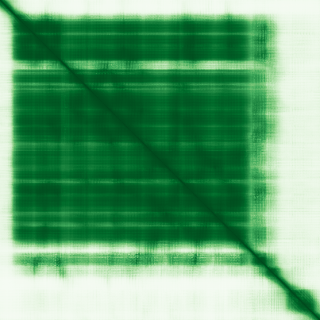
Predicted protein structure

Clinical relevance (Genomics England PanelApp)

Diagnostic Grade (Green)

  • Anophthalmia or microphthalmia

    BIALLELIC, autosomal or pseudoautosomal
  • DDG2P

    BIALLELIC, autosomal or pseudoautosomal
  • Fetal anomalies

    BIALLELIC, autosomal or pseudoautosomal
  • Intellectual disability

    BIALLELIC, autosomal or pseudoautosomal
  • Structural eye disease

    BIALLELIC, autosomal or pseudoautosomal
  • Early onset or syndromic epilepsy

    BIALLELIC, autosomal or pseudoautosomal
  • Optic neuropathy

    BIALLELIC, autosomal or pseudoautosomal

Disease associations (Open Targets)

  • Micro syndrome

    0.75
  • neurodegenerative disease

    0.51
  • Warburg micro syndrome

    0.38
  • Global developmental delay

    0.37
  • Intellectual disability

    0.37
  • Hepatitis

    0.37
  • hereditary disease

    0.34
  • lysosomal storage disease

    0.22
  • Seizure

    0.18
  • early-onset non-syndromic cataract

    0.07

Score is the Open Targets composite evidence score (0-1). Higher = stronger gene-disease association.

Protein function (UniProt)

TBC1 domain family member 20

GTPase-activating protein (GAP) specific for Rab1 and Rab2 small GTPase families for which it can accelerate the intrinsic GTP hydrolysis rate by more than five orders of magnitude (PubMed:23236136). Also shows GAP activity for RAB18 GTPase (PubMed:26063829). Promotes RAB18 dissociation from the endoplasmic reticulum (ER) membrane into the cytosol, probably through stimulating RAB18 GTP-hydrolysis (PubMed:26063829). Involved in maintaining endoplasmic reticulum structure (PubMed:24891604)

Data sources: HGNC (CC BY 4.0), AlphaFold (CC BY 4.0, Jumper et al. Nature 2021), Genomics England PanelApp (CC BY 4.0), ClinGen, Open Targets (CC0), UniProt.

Not for sole clinical decision-making. Always verify against primary sources.