
AlphaFold predicted structure
TBC1D7 · Q9P0N9
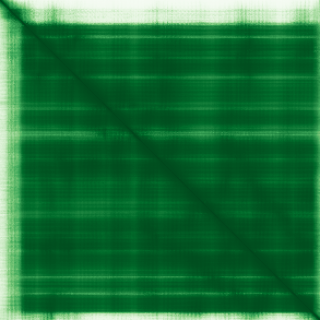
Mean pLDDT
92.7/ 100
Very high
293 residues
Confidence breakdown
- Very high(≥ 90)89%
- Confident(70–90)2%
- Low(50–70)5%
- Very low(< 50)4%
Open interactive 3D viewer
AlphaFold (Jumper et al., 2021) · CC BY 4.0
TBC1 domain family member 7
Annotations refreshed 2 months ago.
Diagnostic Grade (Green)
Intellectual disability
BIALLELIC, autosomal or pseudoautosomalHydrocephalus
BIALLELIC, autosomal or pseudoautosomalNeurological segmental overgrowth
BIALLELIC, autosomal or pseudoautosomalSegmental overgrowth disorders - Deep sequencing
BIALLELIC, autosomal or pseudoautosomalmacrocephaly/megalencephaly syndrome, autosomal recessive
genetic developmental and epileptic encephalopathy
neurodegenerative disease
megalencephaly
isolated megalencephaly
Macrocephaly
placental abruption
benign neoplasm of eye
Abnormal erythrocyte morphology
Abnormality of the skeletal system
Score is the Open Targets composite evidence score (0-1). Higher = stronger gene-disease association.
TBC1 domain family member 7
Non-catalytic component of the TSC-TBC complex, a multiprotein complex that acts as a negative regulator of the canonical mTORC1 complex, an evolutionarily conserved central nutrient sensor that stimulates anabolic reactions and macromolecule biosynthesis to promote cellular biomass generation and growth (PubMed:22795129, PubMed:24529379). The TSC-TBC complex acts as a GTPase-activating protein (GAP) for the small GTPase RHEB, a direct activator of the protein kinase activity of mTORC1 (PubMed:22795129, PubMed:24529379). In absence of nutrients, the TSC-TBC complex inhibits mTORC1, thereby preventing phosphorylation of ribosomal protein S6 kinase (RPS6KB1 and RPS6KB2) and EIF4EBP1 (4E-BP1) by the mTORC1 signaling (PubMed:22795129). The TSC-TBC complex is inactivated in response to nutrients, relieving inhibition of mTORC1 (PubMed:24529379)
TBC1D7 · Q9P0N9
Mean pLDDT
92.7/ 100
Very high
293 residues
Confidence breakdown
AlphaFold (Jumper et al., 2021) · CC BY 4.0