
AlphaFold predicted structure
TCF3 · P15923
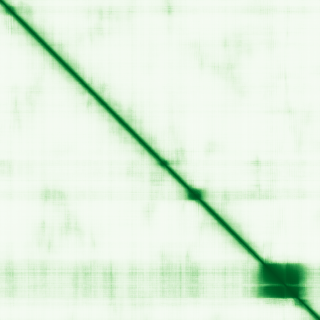
Mean pLDDT
51.1/ 100
Low
654 residues
Confidence breakdown
- Very high(≥ 90)11%
- Confident(70–90)5%
- Low(50–70)14%
- Very low(< 50)70%
Open interactive 3D viewer
AlphaFold (Jumper et al., 2021) · CC BY 4.0
transcription factor 3
Annotations refreshed 2 months ago.
Diagnostic Grade (Green)
COVID-19 research
BOTH monoallelic and biallelic, autosomal or pseudoautosomalPrimary immunodeficiency or monogenic inflammatory bowel disease
BOTH monoallelic and biallelic, autosomal or pseudoautosomalHaematological malignancies cancer susceptibility
MONOALLELIC, autosomal or pseudoautosomal, NOT imprintedagammaglobulinemia 8, autosomal dominant
agammaglobulinemia 8b, autosomal recessive
neurodegenerative disease
autosomal agammaglobulinemia
B-cell acute lymphoblastic leukemia
hereditary disease
acute lymphoblastic leukemia
T-cell acute lymphoblastic leukemia
hemangioblastoma
lung adenocarcinoma in situ
Score is the Open Targets composite evidence score (0-1). Higher = stronger gene-disease association.
Transcription factor 7-like 1
Participates in the Wnt signaling pathway. Binds to DNA and acts as a repressor in the absence of CTNNB1, and as an activator in its presence. Necessary for the terminal differentiation of epidermal cells, the formation of keratohyalin granules and the development of the barrier function of the epidermis (By similarity). Down-regulates NQO1, leading to increased mitomycin c resistance
TCF3 · P15923
Mean pLDDT
51.1/ 100
Low
654 residues
Confidence breakdown
AlphaFold (Jumper et al., 2021) · CC BY 4.0