
AlphaFold predicted structure
TDP1 · Q9NUW8
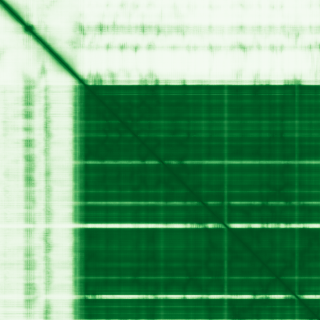
Mean pLDDT
80.6/ 100
Confident
608 residues
Confidence breakdown
- Very high(≥ 90)69%
- Confident(70–90)6%
- Low(50–70)5%
- Very low(< 50)20%
Open interactive 3D viewer
AlphaFold (Jumper et al., 2021) · CC BY 4.0
tyrosyl-DNA phosphodiesterase 1
Annotations refreshed 3 months ago.
Diagnostic Grade (Green)
Hereditary ataxia with onset in adulthood
BIALLELIC, autosomal or pseudoautosomalHereditary neuropathy or pain disorder
BIALLELIC, autosomal or pseudoautosomalIntellectual disability
BIALLELIC, autosomal or pseudoautosomalAdult onset neurodegenerative disorder
BIALLELIC, autosomal or pseudoautosomalAtaxia and cerebellar anomalies - narrow panel
BIALLELIC, autosomal or pseudoautosomalHereditary ataxia
BIALLELIC, autosomal or pseudoautosomalHereditary neuropathy
BIALLELIC, autosomal or pseudoautosomalspinocerebellar ataxia, autosomal recessive, with axonal neuropathy 1
Spinocerebellar ataxia type 1 with axonal neuropathy
neurodegenerative disease
uveal melanoma
epithelioid cell uveal melanoma
diabetes mellitus
arthropathy
bone remodeling disease
myoepithelial tumor
glioblastoma
Score is the Open Targets composite evidence score (0-1). Higher = stronger gene-disease association.
Tyrosyl-DNA phosphodiesterase 1
DNA repair enzyme that can remove a variety of covalent adducts from DNA through hydrolysis of a 3'-phosphodiester bond, giving rise to DNA with a free 3' phosphate. Catalyzes the hydrolysis of dead-end complexes between DNA and the topoisomerase I active site tyrosine residue. Hydrolyzes 3'-phosphoglycolates on protruding 3' ends on DNA double-strand breaks due to DNA damage by radiation and free radicals. Acts on blunt-ended double-strand DNA breaks and on single-stranded DNA. Has low 3'exonuclease activity and can remove a single nucleoside from the 3'end of DNA and RNA molecules with 3'hydroxyl groups. Has no exonuclease activity towards DNA or RNA with a 3'phosphate
TDP1 · Q9NUW8
Mean pLDDT
80.6/ 100
Confident
608 residues
Confidence breakdown
AlphaFold (Jumper et al., 2021) · CC BY 4.0