Skip to content
GenoLensGenoLens

TECTA

Chr 11q23.3

tectorin alpha

MANE:
ENST00000392793.6

Annotations refreshed 1 month ago.

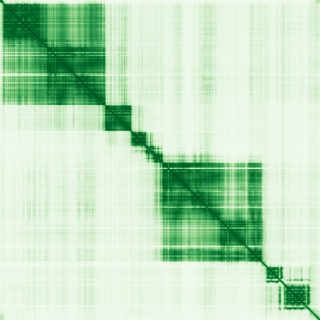
Predicted protein structure

Clinical relevance (Genomics England PanelApp)

Diagnostic Grade (Green)

  • Monogenic hearing loss

    BOTH monoallelic and biallelic, autosomal or pseudoautosomal

Disease associations (Open Targets)

  • autosomal dominant nonsyndromic hearing loss

    0.73
  • hearing loss, autosomal recessive

    0.73
  • nonsyndromic genetic hearing loss

    0.66
  • hearing loss disorder

    0.63
  • deafness

    0.63
  • Rare genetic deafness

    0.53
  • Sensorineural hearing impairment

    0.50
  • Non-syndromic genetic deafness

    0.48
  • hereditary disease

    0.45
  • Vertigo

    0.42

Score is the Open Targets composite evidence score (0-1). Higher = stronger gene-disease association.

Protein function (UniProt)

Alpha-tectorin

One of the major non-collagenous components of the tectorial membrane (By similarity). The tectorial membrane is an extracellular matrix of the inner ear that covers the neuroepithelium of the cochlea and contacts the stereocilia bundles of specialized sensory hair cells. Sound induces movement of these hair cells relative to the tectorial membrane, deflects the stereocilia and leads to fluctuations in hair-cell membrane potential, transducing sound into electrical signals

Curated MONDO disease pages that list TECTA among their top associated genes.

Data sources: HGNC (CC BY 4.0), AlphaFold (CC BY 4.0, Jumper et al. Nature 2021), Genomics England PanelApp (CC BY 4.0), ClinGen, Open Targets (CC0), UniProt.

Not for sole clinical decision-making. Always verify against primary sources.