
AlphaFold predicted structure
TFAM · Q00059
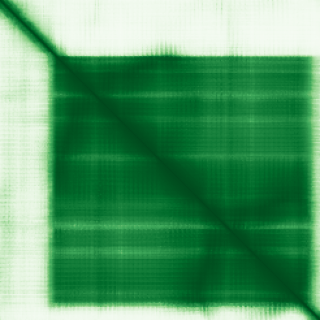
Mean pLDDT
85.4/ 100
Confident
246 residues
Confidence breakdown
- Very high(≥ 90)77%
- Confident(70–90)2%
- Low(50–70)1%
- Very low(< 50)20%
Open interactive 3D viewer
AlphaFold (Jumper et al., 2021) · CC BY 4.0
transcription factor A, mitochondrial
Annotations refreshed 2 months ago.
Diagnostic Grade (Green)
Likely inborn error of metabolism
BIALLELIC, autosomal or pseudoautosomalMitochondrial disorders
BIALLELIC, autosomal or pseudoautosomalMitochondrial DNA maintenance disorder
BIALLELIC, autosomal or pseudoautosomalPossible mitochondrial disorder - nuclear genes
BIALLELIC, autosomal or pseudoautosomalMitochondrial liver disease, including transient infantile liver failure
BIALLELIC, autosomal or pseudoautosomalmitochondrial DNA depletion syndrome 15 (hepatocerebral type)
neurodegenerative disease
mitochondrial DNA depletion syndrome, hepatocerebral form
stroke disorder
alcohol drinking
Premature ovarian insufficiency
Sensorineural hearing impairment
spondylolisthesis
musculoskeletal system disorder
colorectal carcinoma
Score is the Open Targets composite evidence score (0-1). Higher = stronger gene-disease association.
Transcription factor A, mitochondrial
Binds to the mitochondrial light strand promoter and functions in mitochondrial transcription regulation (PubMed:29445193, PubMed:32183942). Component of the mitochondrial transcription initiation complex, composed at least of TFB2M, TFAM and POLRMT that is required for basal transcription of mitochondrial DNA (PubMed:29149603). In this complex, TFAM recruits POLRMT to a specific promoter whereas TFB2M induces structural changes in POLRMT to enable promoter opening and trapping of the DNA non-template strand (PubMed:20410300). Required for accurate and efficient promoter recognition by the mitochondrial RNA polymerase (PubMed:22037172). Promotes transcription initiation from the HSP1 and the light strand promoter by binding immediately upstream of transcriptional start sites (PubMed:22037172). Is able to unwind DNA (PubMed:22037172). Bends the mitochondrial light strand promoter DNA into a U-turn shape via its HMG boxes (PubMed:1737790). Required for maintenance of normal levels of mitochondrial DNA (PubMed:19304746, PubMed:22841477). May play a role in organizing and compacting mitochondrial DNA (PubMed:22037171)
TFAM · Q00059
Mean pLDDT
85.4/ 100
Confident
246 residues
Confidence breakdown
AlphaFold (Jumper et al., 2021) · CC BY 4.0