
AlphaFold predicted structure
TFG · Q92734
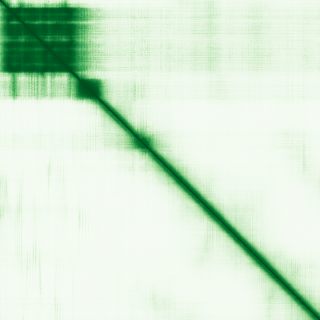
Mean pLDDT
59.5/ 100
Low
400 residues
Confidence breakdown
- Very high(≥ 90)19%
- Confident(70–90)11%
- Low(50–70)15%
- Very low(< 50)55%
Open interactive 3D viewer
AlphaFold (Jumper et al., 2021) · CC BY 4.0
trafficking from ER to golgi regulator
Annotations refreshed 3 months ago.
Diagnostic Grade (Green)
Childhood onset hereditary spastic paraplegia
BIALLELIC, autosomal or pseudoautosomalHereditary neuropathy
BOTH monoallelic and biallelic, autosomal or pseudoautosomalHereditary neuropathy or pain disorder
BOTH monoallelic and biallelic, autosomal or pseudoautosomalHereditary spastic paraplegia
BIALLELIC, autosomal or pseudoautosomalIntellectual disability
BIALLELIC, autosomal or pseudoautosomalOptic neuropathy
BIALLELIC, autosomal or pseudoautosomalAdult onset hereditary spastic paraplegia
BIALLELIC, autosomal or pseudoautosomalAdult onset neurodegenerative disorder
BIALLELIC, autosomal or pseudoautosomalAutosomal recessive spastic paraplegia type 57
hereditary motor and sensory neuropathy, Okinawa type
hereditary spastic paraplegia 57
autosomal dominant Charcot-Marie-Tooth disease type 2 due to TFG mutation
cancer
neurodegenerative disease
hereditary disease
anaplastic large cell lymphoma
thyroid gland papillary carcinoma
lung adenocarcinoma
Score is the Open Targets composite evidence score (0-1). Higher = stronger gene-disease association.
Protein TFG
Plays a role in the normal dynamic function of the endoplasmic reticulum (ER) and its associated microtubules (PubMed:23479643, PubMed:27813252). Required for secretory cargo traffic from the endoplasmic reticulum to the Golgi apparatus (PubMed:21478858)
TFG · Q92734
Mean pLDDT
59.5/ 100
Low
400 residues
Confidence breakdown
AlphaFold (Jumper et al., 2021) · CC BY 4.0