Skip to content
GenoLensGenoLens

TGFB1

Chr 19q13.2

transforming growth factor beta 1

Aliases:
CED, TGFbeta
MANE:
ENST00000221930.6

Annotations refreshed 10 hours ago.

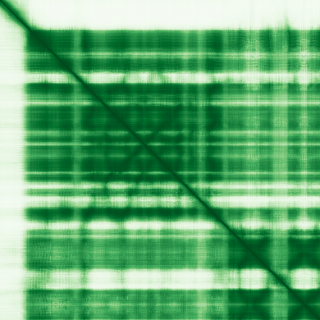
Predicted protein structure

Clinical relevance (Genomics England PanelApp)

Diagnostic Grade (Green)

  • COVID-19 research

    BIALLELIC, autosomal or pseudoautosomal
  • DDG2P

    MONOALLELIC, autosomal or pseudoautosomal, imprinted status unknown
  • Osteopetrosis

    MONOALLELIC, autosomal or pseudoautosomal, imprinted status unknown
  • Primary immunodeficiency or monogenic inflammatory bowel disease

    BIALLELIC, autosomal or pseudoautosomal
  • Skeletal dysplasia

    MONOALLELIC, autosomal or pseudoautosomal, NOT imprinted
  • Intellectual disability

    BIALLELIC, autosomal or pseudoautosomal
  • Fetal anomalies

    MONOALLELIC, autosomal or pseudoautosomal, imprinted status unknown

Disease associations (Open Targets)

  • Camurati-Engelmann disease

    0.80
  • inflammatory bowel disease, immunodeficiency, and encephalopathy

    0.69
  • myelodysplastic syndrome

    0.58
  • anemia

    0.55
  • cancer

    0.53
  • anemia (phenotype)

    0.50
  • Beta-thalassemia

    0.48
  • Encephalopathy

    0.46
  • IL10-related early-onset inflammatory bowel disease

    0.45
  • cystic fibrosis

    0.45

Score is the Open Targets composite evidence score (0-1). Higher = stronger gene-disease association.

Protein function (UniProt)

Transforming growth factor beta-1 proprotein

Transforming growth factor beta-1 proprotein: Precursor of the Latency-associated peptide (LAP) and Transforming growth factor beta-1 (TGF-beta-1) chains, which constitute the regulatory and active subunit of TGF-beta-1, respectively

Data sources: HGNC (CC BY 4.0), AlphaFold (CC BY 4.0, Jumper et al. Nature 2021), Genomics England PanelApp (CC BY 4.0), ClinGen, Open Targets (CC0), UniProt.

Not for sole clinical decision-making. Always verify against primary sources.