
AlphaFold predicted structure
TH · P07101
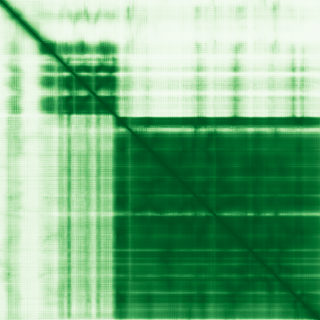
Mean pLDDT
80.8/ 100
Confident
528 residues
Confidence breakdown
- Very high(≥ 90)58%
- Confident(70–90)19%
- Low(50–70)7%
- Very low(< 50)17%
Open interactive 3D viewer
AlphaFold (Jumper et al., 2021) · CC BY 4.0
tyrosine hydroxylase
Annotations refreshed 3 months ago.
Diagnostic Grade (Green)
Childhood onset dystonia, chorea or related movement disorder
BIALLELIC, autosomal or pseudoautosomalDDG2P
BIALLELIC, autosomal or pseudoautosomalEarly onset dystonia
BIALLELIC, autosomal or pseudoautosomalIntellectual disability
BIALLELIC, autosomal or pseudoautosomalLikely inborn error of metabolism
BIALLELIC, autosomal or pseudoautosomalNeurotransmitter disorders
BIALLELIC, autosomal or pseudoautosomalParkinson Disease and Complex Parkinsonism
BIALLELIC, autosomal or pseudoautosomalUndiagnosed metabolic disorders
BIALLELIC, autosomal or pseudoautosomal+3 more panels — install the extension to see the full list inline on any page.
Autosomal recessive dopa-responsive dystonia
TH-deficient dopa-responsive dystonia
dopa-responsive dystonia
tyrosine hydroxylase deficiency
dystonia 5
pheochromocytoma
adrenal gland pheochromocytoma
Intellectual disability
Dystonia
dystonic disorder
Score is the Open Targets composite evidence score (0-1). Higher = stronger gene-disease association.
Tyrosine 3-monooxygenase
Catalyzes the conversion of L-tyrosine to L-dihydroxyphenylalanine (L-Dopa), the rate-limiting step in the biosynthesis of catecholamines, dopamine, noradrenaline, and adrenaline. Uses tetrahydrobiopterin and molecular oxygen to convert tyrosine to L-Dopa (PubMed:15287903, PubMed:1680128, PubMed:17391063, PubMed:24753243, PubMed:34922205, PubMed:8528210, Ref.18). In addition to tyrosine, is able to catalyze the hydroxylation of phenylalanine and tryptophan with lower specificity (By similarity). Positively regulates the regression of retinal hyaloid vessels during postnatal development (By similarity)
TH · P07101
Mean pLDDT
80.8/ 100
Confident
528 residues
Confidence breakdown
AlphaFold (Jumper et al., 2021) · CC BY 4.0