AlphaFold predicted structure
THAP1 · Q9NVV9
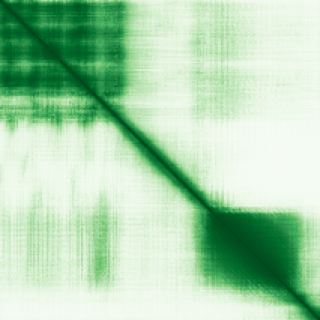
Mean pLDDT
70.9/ 100
Confident
213 residues
Confidence breakdown
- Very high(≥ 90)17%
- Confident(70–90)38%
- Low(50–70)28%
- Very low(< 50)17%
AlphaFold (Jumper et al., 2021) · CC BY 4.0
THAP domain containing 1
Annotations refreshed 10 hours ago.
Diagnostic Grade (Green)
Adult onset dystonia, chorea or related movement disorder
MONOALLELIC, autosomal or pseudoautosomal, NOT imprintedChildhood onset dystonia, chorea or related movement disorder
MONOALLELIC, autosomal or pseudoautosomal, NOT imprintedDDG2P
MONOALLELIC, autosomal or pseudoautosomal, imprinted status unknownEarly onset dystonia
MONOALLELIC, autosomal or pseudoautosomal, NOT imprintedAdult onset neurodegenerative disorder
MONOALLELIC, autosomal or pseudoautosomal, imprinted status unknownFetal anomalies
MONOALLELIC, autosomal or pseudoautosomal, imprinted status unknownIntellectual disability
MONOALLELIC, autosomal or pseudoautosomal, NOT imprintedParkinson Disease and Complex Parkinsonism
MONOALLELIC, autosomal or pseudoautosomal, imprinted status unknownPrimary dystonia, DYT6 type
torsion dystonia 6
Dystonia
neurodegenerative disease
hereditary disease
Torsion dystonia
multiple mitochondrial dysfunctions syndrome 9b
dystonic disorder
young-onset Parkinson disease
Fuchs endothelial corneal dystrophy
Score is the Open Targets composite evidence score (0-1). Higher = stronger gene-disease association.
THAP domain-containing protein 1
DNA-binding transcription regulator that regulates endothelial cell proliferation and G1/S cell-cycle progression. Specifically binds the 5'-[AT]NTNN[GT]GGCA[AGT]-3' core DNA sequence and acts by modulating expression of pRB-E2F cell-cycle target genes, including RRM1. Component of a THAP1/THAP3-HCFC1-OGT complex that is required for the regulation of the transcriptional activity of RRM1. May also have pro-apoptotic activity by potentiating both serum-withdrawal and TNF-induced apoptosis
THAP1 · Q9NVV9

Mean pLDDT
70.9/ 100
Confident
213 residues
Confidence breakdown
AlphaFold (Jumper et al., 2021) · CC BY 4.0