AlphaFold predicted structure
TMC6 · Q7Z403
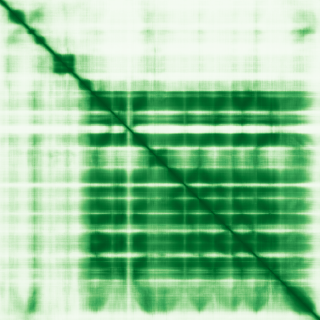
Mean pLDDT
72.3/ 100
Confident
805 residues
Confidence breakdown
- Very high(≥ 90)24%
- Confident(70–90)43%
- Low(50–70)11%
- Very low(< 50)22%
AlphaFold (Jumper et al., 2021) · CC BY 4.0
transmembrane channel like 6
Annotations refreshed 1 month ago.
Diagnostic Grade (Green)
COVID-19 research
BIALLELIC, autosomal or pseudoautosomalEpidermodysplasia verruciformis
BIALLELIC, autosomal or pseudoautosomalPigmentary skin disorders
BIALLELIC, autosomal or pseudoautosomalPrimary immunodeficiency or monogenic inflammatory bowel disease
BIALLELIC, autosomal or pseudoautosomalMultiple monogenic benign skin tumours
BIALLELIC, autosomal or pseudoautosomalepidermodysplasia verruciformis
hereditary disease
response to xenobiotic stimulus
hypertensive disorder
Abnormality of the skeletal system
type 2 diabetes mellitus
diabetes mellitus
homozygous familial hypercholesterolemia
infection
Hyperlipoproteinemia type 5
Score is the Open Targets composite evidence score (0-1). Higher = stronger gene-disease association.
Transmembrane channel-like protein 6
Acts as a regulatory protein involved in the regulation of numerous cellular processes (PubMed:18158319, PubMed:30068544, PubMed:32917726). Together with its homolog TMC8/EVER2, forms a complex with CIB1 in lymphocytes and keratynocytes where TMC6 and TMC8 stabilize CIB1 and reciprocally (PubMed:30068544, PubMed:32917726). Together with TMC8, also forms a complex with and activates zinc transporter ZNT1 at the ER membrane of keratynocytes, thereby facilitating zinc uptake into the ER (PubMed:18158319). Down-regulates the activity of transcription factors induced by zinc and cytokines (PubMed:18158319). Also plays a role in thermal sensation by inhibiting the M-channel (KCNQ2-KCNQ3 channel) current in primary sensory neurons (By similarity)
TMC6 · Q7Z403

Mean pLDDT
72.3/ 100
Confident
805 residues
Confidence breakdown
AlphaFold (Jumper et al., 2021) · CC BY 4.0