Skip to content
GenoLensGenoLens

TMC8

Chr 17q25.3

transmembrane channel like 8

Aliases:
EVIN2
MANE:
ENST00000318430.10

Annotations refreshed 9 hours ago.

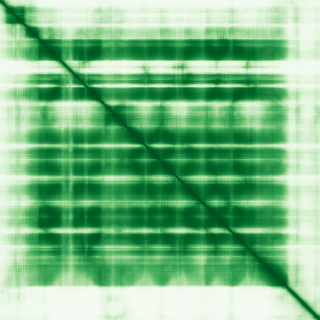
Predicted protein structure

Clinical relevance (Genomics England PanelApp)

Diagnostic Grade (Green)

  • COVID-19 research

    BIALLELIC, autosomal or pseudoautosomal
  • Epidermodysplasia verruciformis

    BIALLELIC, autosomal or pseudoautosomal
  • Pigmentary skin disorders

    BIALLELIC, autosomal or pseudoautosomal
  • Primary immunodeficiency or monogenic inflammatory bowel disease

    BIALLELIC, autosomal or pseudoautosomal
  • Multiple monogenic benign skin tumours

    BIALLELIC, autosomal or pseudoautosomal

Disease associations (Open Targets)

  • epidermodysplasia verruciformis

    0.74
  • hemolysis

    0.34
  • type 2 diabetes mellitus

    0.29
  • diabetes mellitus

    0.29
  • male reproductive system disorder

    0.24
  • hereditary disease

    0.19
  • neoplasm

    0.04
  • hemoglobin D disease

    0.04
  • infection

    0.04
  • Abnormality of the skeletal system

    0.03

Score is the Open Targets composite evidence score (0-1). Higher = stronger gene-disease association.

Protein function (UniProt)

Transmembrane channel-like protein 8

Acts as a regulatory protein involved in the regulation of numerous cellular processes (PubMed:18158319, PubMed:23429285, PubMed:30068544, PubMed:32917726). Together with its homolog TMC6/EVER1, forms a complex with calcium-binding protein CIB1 in lymphocytes and keratynocytes where TMC6 and TMC8 stabilize CIB1 levels and reciprocally (PubMed:30068544, PubMed:32917726). Together with TMC6, also forms a complex with and activates zinc transporter ZNT1 at the ER membrane of keratynocytes, thereby facilitating zinc uptake into the ER (PubMed:18158319). Also inhibits receptor-mediated calcium release from ER stores and calcium activated and volume regulated chloride channels (PubMed:25220380). Down-regulates the activity of transcription factors induced by zinc and cytokines (PubMed:18158319). Also sequesters TRADD which impairs the recruitment of TRAF2 and RIPK1 in the pro-survival complex I and promotes proapoptotic complex II formation, and may therefore be involved in TNF-induced cell death/survival decisions (PubMed:23429285)

Data sources: HGNC (CC BY 4.0), AlphaFold (CC BY 4.0, Jumper et al. Nature 2021), Genomics England PanelApp (CC BY 4.0), ClinGen, Open Targets (CC0), UniProt.

Not for sole clinical decision-making. Always verify against primary sources.