AlphaFold predicted structure
TMEM126A · Q9H061
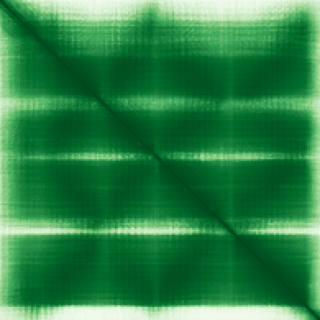
Mean pLDDT
90.0/ 100
Very high
195 residues
Confidence breakdown
- Very high(≥ 90)69%
- Confident(70–90)25%
- Low(50–70)6%
- Very low(< 50)1%
AlphaFold (Jumper et al., 2021) · CC BY 4.0
transmembrane protein 126A
Annotations refreshed 10 hours ago.
Diagnostic Grade (Green)
Optic neuropathy
BIALLELIC, autosomal or pseudoautosomalGlaucoma (developmental)
Likely inborn error of metabolism
BIALLELIC, autosomal or pseudoautosomalMitochondrial disorders
Possible mitochondrial disorder - nuclear genes
BIALLELIC, autosomal or pseudoautosomalRetinal disorders
BIALLELIC, autosomal or pseudoautosomalStructural eye disease
BIALLELIC, autosomal or pseudoautosomalUndiagnosed metabolic disorders
BIALLELIC, autosomal or pseudoautosomalautosomal recessive optic atrophy, OPA7 type
Autosomal recessive isolated optic atrophy
optic atrophy
Leber hereditary optic neuropathy
hereditary optic atrophy
inborn mitochondrial metabolism disorder
mitochondrial disease
Abnormal nasolacrimal system morphology
Alzheimer disease
cervical carcinoma
Score is the Open Targets composite evidence score (0-1). Higher = stronger gene-disease association.
Transmembrane protein 126A
Protein required for the cotranslational protein quality control in the inner membrane of the mitochondria (PubMed:38199007). Associates with newly synthesized polypeptides and may act as a chaperone that cooperates with OXA1L for the insertion of newly synthesized mitochondrial proteins into the inner membrane (PubMed:38199007). Required for the assembly of the ND4 module of mitochondrial complex I (PubMed:33879611, PubMed:33882309)
Curated MONDO disease pages that list TMEM126A among their top associated genes.
TMEM126A · Q9H061

Mean pLDDT
90.0/ 100
Very high
195 residues
Confidence breakdown
AlphaFold (Jumper et al., 2021) · CC BY 4.0