AlphaFold predicted structure
TMEM127 · O75204
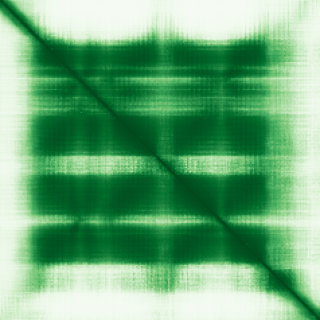
Mean pLDDT
77.6/ 100
Confident
238 residues
Confidence breakdown
- Very high(≥ 90)38%
- Confident(70–90)29%
- Low(50–70)20%
- Very low(< 50)12%
AlphaFold (Jumper et al., 2021) · CC BY 4.0
transmembrane protein 127
Annotations refreshed 10 hours ago.
Diagnostic Grade (Green)
Adult solid tumours cancer susceptibility
MONOALLELIC, autosomal or pseudoautosomal, imprinted status unknownAdult solid tumours for rare disease
MONOALLELIC, autosomal or pseudoautosomal, imprinted status unknownInherited phaeochromocytoma and paraganglioma
MONOALLELIC, autosomal or pseudoautosomal, NOT imprintedInherited phaeochromocytoma and paraganglioma excluding NF1
MONOALLELIC, autosomal or pseudoautosomal, NOT imprintedMultiple endocrine tumours
MONOALLELIC, autosomal or pseudoautosomal, NOT imprintedNeuroendocrine cancer pertinent cancer susceptibility
MONOALLELIC, autosomal or pseudoautosomal, NOT imprintedInherited renal cancer
MONOALLELIC, autosomal or pseudoautosomal, NOT imprintedpheochromocytoma
hereditary pheochromocytoma-paraganglioma
hereditary neoplastic syndrome
Inherited cancer-predisposing syndrome
malignant endocrine neoplasm
melanoma
carcinoma of liver and intrahepatic biliary tract
intestinal neuroendocrine tumor G1
Cowden syndrome 3
pheochromocytoma/paraganglioma syndrome 1
Score is the Open Targets composite evidence score (0-1). Higher = stronger gene-disease association.
Transmembrane protein 127
Controls cell proliferation acting as a negative regulator of TOR signaling pathway mediated by mTORC1. May act as a tumor suppressor
TMEM127 · O75204

Mean pLDDT
77.6/ 100
Confident
238 residues
Confidence breakdown
AlphaFold (Jumper et al., 2021) · CC BY 4.0