
AlphaFold predicted structure
TMEM240 · Q5SV17
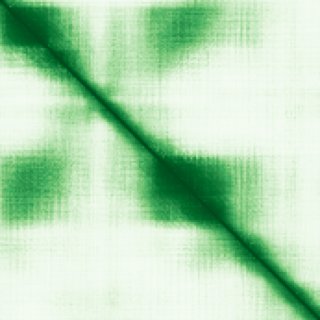
Mean pLDDT
58.8/ 100
Low
173 residues
Confidence breakdown
- Very high(≥ 90)0%
- Confident(70–90)28%
- Low(50–70)36%
- Very low(< 50)36%
Open interactive 3D viewer
AlphaFold (Jumper et al., 2021) · CC BY 4.0
transmembrane protein 240
Annotations refreshed 2 months ago.
Diagnostic Grade (Green)
Adult onset neurodegenerative disorder
MONOALLELIC, autosomal or pseudoautosomal, imprinted status unknownAtaxia and cerebellar anomalies - narrow panel
MONOALLELIC, autosomal or pseudoautosomal, imprinted status unknownDDG2P
MONOALLELIC, autosomal or pseudoautosomal, imprinted status unknownHereditary ataxia
MONOALLELIC, autosomal or pseudoautosomal, imprinted status unknownHereditary ataxia with onset in adulthood
MONOALLELIC, autosomal or pseudoautosomal, imprinted status unknownIntellectual disability
MONOALLELIC, autosomal or pseudoautosomal, imprinted status unknownChildhood onset dystonia, chorea or related movement disorder
MONOALLELIC, autosomal or pseudoautosomal, imprinted status unknownspinocerebellar ataxia type 21
neurodevelopmental disorder
hereditary disease
acute infantile liver failure-cerebellar ataxia-peripheral sensory motor neuropathy syndrome
breast cancer
breast carcinoma
colorectal carcinoma
cancer
neoplasm
spinal muscular atrophy, type IV
Score is the Open Targets composite evidence score (0-1). Higher = stronger gene-disease association.
TMEM240 · Q5SV17
Mean pLDDT
58.8/ 100
Low
173 residues
Confidence breakdown
AlphaFold (Jumper et al., 2021) · CC BY 4.0