Skip to content
GenoLensGenoLens

TMEM43

Chr 3p25.1

transmembrane protein 43

Aliases:
MGC3222, DKFZp586G1919, LUMA
MANE:
ENST00000306077.5

Annotations refreshed 10 hours ago.

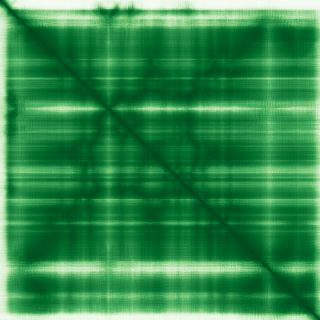
Predicted protein structure

Clinical relevance (Genomics England PanelApp)

Diagnostic Grade (Green)

  • Arrhythmogenic right ventricular cardiomyopathy

    MONOALLELIC, autosomal or pseudoautosomal, NOT imprinted
  • Dilated and arrhythmogenic cardiomyopathy

    MONOALLELIC, autosomal or pseudoautosomal, NOT imprinted
  • Paediatric or syndromic cardiomyopathy

    MONOALLELIC, autosomal or pseudoautosomal, NOT imprinted
  • Arthrogryposis

  • Congenital muscular dystrophy

    MONOALLELIC, autosomal or pseudoautosomal, imprinted status unknown
  • Dilated Cardiomyopathy and conduction defects

    MONOALLELIC, autosomal or pseudoautosomal, NOT imprinted
  • Hereditary neuropathy

  • Hereditary neuropathy or pain disorder

+1 more panels — install the extension to see the full list inline on any page.

Disease associations (Open Targets)

  • arrhythmogenic right ventricular dysplasia 5

    0.71
  • Emery-Dreifuss muscular dystrophy 7, autosomal dominant

    0.70
  • Arrhythmogenic right ventricular dysplasia

    0.62
  • auditory neuropathy, autosomal dominant 3

    0.51
  • arrhythmogenic right ventricular cardiomyopathy

    0.50
  • cardiomyopathy

    0.45
  • Abnormality of the cardiovascular system

    0.42
  • dilated cardiomyopathy

    0.37
  • autosomal dominant Emery-Dreifuss muscular dystrophy

    0.37
  • familial isolated arrhythmogenic ventricular dysplasia, left dominant form

    0.37

Score is the Open Targets composite evidence score (0-1). Higher = stronger gene-disease association.

Protein function (UniProt)

Transmembrane protein 43

May have an important role in maintaining nuclear envelope structure by organizing protein complexes at the inner nuclear membrane. Required for retaining emerin at the inner nuclear membrane (By similarity). Plays a role in the modulation of innate immune signaling through the cGAS-STING pathway by interacting with RNF26 (PubMed:32614325). In addition, functions as a critical signaling component in mediating NF-kappa-B activation by acting downstream of EGFR and upstream of CARD10 (PubMed:27991920). Contributes to passive conductance current in cochlear glia-like supporting cells, mediated by gap junctions and necessary for hearing and speech discrimination (PubMed:34050020)

Data sources: HGNC (CC BY 4.0), AlphaFold (CC BY 4.0, Jumper et al. Nature 2021), Genomics England PanelApp (CC BY 4.0), ClinGen, Open Targets (CC0), UniProt.

Not for sole clinical decision-making. Always verify against primary sources.